Using energy sustainably is at the forefront of international efforts to halt climate change and make the transition to a cleaner, greener future. Diverse programs and innovations are being used all around the world to utilize renewable energy sources. This is being done by aggressively integrating environmentally friendly energy into its energy landscape in the following five ways:
1. Solar Power Integration
One significant participant in the world’s search for sustainable energy is solar power. Rooftop solar panel installations are turning more and more homes, businesses, and factories into power-generating surfaces. To further capitalize on wide stretches of open land, big-scale solar power plants are being created to collect solar energy on a large scale.
Thanks to government subsidies and technological advancements like more effective photovoltaic cells and creative solar tracking systems, solar power is becoming an affordable and accessible energy option for both large-scale installations and individual users. These programs position solar power as a key component in a nation’s transition to a future that uses sustainable energy by lowering reliance on conventional fossil fuels and significantly reducing greenhouse gas emissions.
2. Wind Energy Expansion
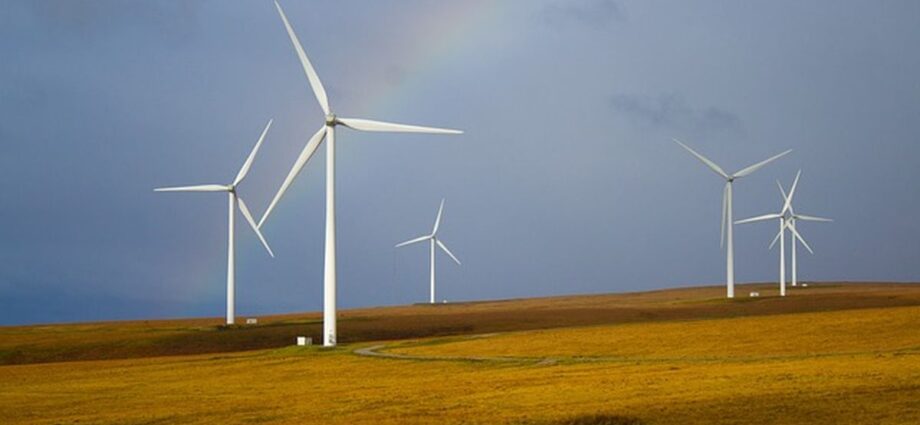
With its gorgeous wind farms dotting the countryside, particularly in regions like North Carolina, wind energy is another essential part of the green energy environment. With their massive turbines, wind farms are erected in areas where the wind blows consistently, harnessing the natural power of the wind to generate electricity. These turbines, which feature improvements in materials science and aerodynamics, have raised wind energy’s production and efficiency, making it a scalable and economically feasible alternative.
The nation’s commitment to boosting green power and broadening the energy mix is demonstrated by its plans to increase wind energy capacity, including notable initiatives like wind farms in NC. Wind energy’s position as a pillar of the country’s sustainable energy policy is further cemented by the possibility of floating wind farms and other developments as technology continues to advance.
3. Hydropower Utilization
Hydropower, which uses the energy that naturally occurs in rivers and streams, continues to be a significant part of the nation’s sustainable energy portfolio. Hydroelectric plants and existing dams harness the power of rushing water to produce energy; this process has been honed and perfected throughout time.
Furthermore, research is being done to investigate novel strategies like run-of-river projects, which maximize energy production while minimizing environmental effects. The versatile benefits of hydropower are demonstrated by the fact that it offers flood control and water resource management in addition to being a steady and dependable energy source.
4. Geothermal Energy Development
Geothermal energy, which uses the heat that exists inside the Earth to create electricity, is becoming more and more popular as a dependable and continuous alternative to sustainable power. The natural heat of the Earth is captured in the form of steam or hot water by geothermal power plants, which are carefully located in areas with strong geothermal activity.
Geothermal energy is becoming increasingly accessible due to advancements in technology, offering a reliable and low-emission source of power. The nation’s dedication to the development of geothermal resources demonstrates the adaptability of renewable energy sources and positions geothermal as a dependable and eco-friendly component of the country’s energy mix.
5. Biomass and Bioenergy Initiatives
Projects utilizing biomass and biofuels are showing promise as cutting-edge approaches to waste management and energy demands, supporting the development of a circular economy. Energy is produced from biomass, which is sourced from organic resources like forestry and agricultural waste, through burning or the creation of biogas.
Furthermore, bioenergy—which is generated from organic resources like crop leftovers or specially cultivated energy crops—contributes to a more environmentally friendly energy environment. Along with providing an alternative to conventional fossil fuels, these programs also support sustainable agriculture methods and waste minimization, which is in line with larger endeavours to build a more resilient and environmentally conscious energy future.
Conclusion
To sum up, to lessen its carbon footprint and move toward a cleaner, more environmentally friendly future, the nation is aggressively adopting a variety of renewable energy sources. The amalgamation of solar power, wind, hydropower, geothermal, and biomass endeavours signifies a diverse methodology toward establishing a robust and ecologically aware energy framework. These programs are essential in creating a more robust and sustainable energy economy for the world as it develops.
Also, read: 7 Smart Ways to Encourage Your Employees to Save and Use Less Energy