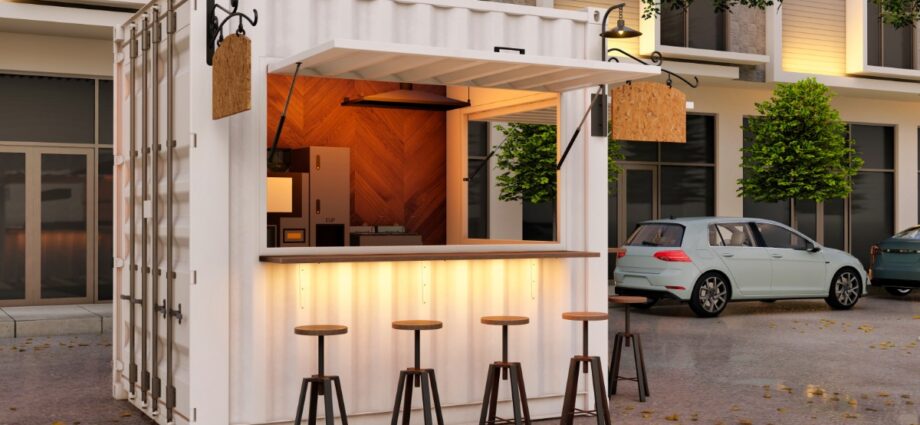
Shipping containers offer more than a practical way to transport goods. Their sturdy steel frames and adaptable layouts make them useful foundations for creative commercial spaces. Property owners can transform these structures into functional buildings without relying entirely on conventional construction methods.
Understanding the unique ways to use shipping container buildings can help businesses make better use of available land while creating spaces that reflect their goals. With thoughtful planning, containers can support activities ranging from retail operations to community programs.
Create a Distinctive Retail Storefront
Shipping containers can become attractive storefronts for independent retailers seeking a memorable location. Their compact footprints suit small lots where traditional buildings might require extensive development. Owners can install display windows and customized entrances to welcome shoppers while maintaining the structure’s industrial character.
Interior shelving helps businesses maximize limited floor space without making the store feel crowded. Exterior finishes can reinforce branding and create a recognizable destination. Retailers can also combine adjacent containers when their inventory grows, provided the expansion follows an appropriate structural plan.
Build a Convenient Neighbourhood Coffee Shop
A container coffee shop can serve customers in busy districts where commercial space comes at a premium. Operators can dedicate the interior to beverage preparation while using a service window to handle orders efficiently. An outdoor seating area gives customers room to relax without requiring a large indoor dining room.
Careful equipment placement keeps employees moving comfortably during busy periods. Owners should also account for plumbing requirements and ventilation before selecting a site. Weather protection around the ordering window makes the experience more comfortable throughout changing seasons.
Develop Flexible Office Spaces
Businesses can convert shipping containers into private offices or shared workspaces. These buildings offer a practical option for companies that need additional room near existing facilities. Large windows can bring natural light inside, while proper insulation helps employees stay comfortable throughout the year.
A thoughtful floor plan supports focused work without wasting valuable space. Employers can connect multiple units to accommodate larger teams, although structural modifications require professional evaluation. Reliable electrical systems and internet access also help the finished office function like a conventional workplace.
Open a Compact Fitness Studio
Fitness entrepreneurs can use containers to establish training studios in neighborhoods with limited commercial space. A well-designed unit can accommodate personal training sessions or specialized exercise classes. Operators can install durable flooring and ventilation systems that support comfortable workouts.
In neighborhoods with limited recreational facilities, shipping container gyms can foster urban fitness by transforming unused lots into accessible workout spaces. Owners should evaluate ceiling clearance and equipment loads before construction. Outdoor exercise areas can extend the usable training space when weather permits.
Design a Creative Art Studio
Artists often need dedicated work areas that separate creative projects from everyday household activities. A converted container can provide that separation while giving artists control over their workspace. Skylights or carefully positioned windows can improve natural lighting for detailed work.
Interior finishes should match the activities taking place inside. Painters may prioritize washable surfaces, while ceramic artists need suitable electrical capacity for specialized equipment. Appropriate ventilation protects indoor air quality when projects involve fumes or airborne particles.
Establish a Community Learning Center
Community organizations can turn shipping containers into compact classrooms for workshops and educational programs. These spaces may support tutoring sessions or hands-on instruction without requiring a large permanent facility. Accessible entrances and comfortable interior conditions help make the classroom welcoming to participants.
Organizers can adapt furniture arrangements to suit different teaching formats. Secure storage keeps learning materials organized between sessions. Before opening, operators should confirm that the structure meets applicable occupancy requirements and provides appropriate emergency exits.
Create an Inviting Guest Accommodation
Property owners can transform containers into small vacation rentals that offer a distinctive lodging experience. Thoughtful interior design can make a compact footprint feel inviting rather than restrictive. Built-in furniture preserves floor space, while generous windows connect guests with the surrounding landscape.
Comfort depends on more than attractive finishes. Proper insulation and moisture control help maintain a pleasant interior environment. Owners should also plan for wastewater connections and local lodging regulations before welcoming their first guests.
Launch a Pop-Up Restaurant
Food entrepreneurs can use containers to test restaurant concepts before committing to larger premises. A service-oriented layout may allow staff to prepare meals efficiently while customers order from an exterior counter. Operators can tailor the design around a focused menu and a manageable equipment footprint.
Commercial kitchen requirements deserve careful attention during planning. Appropriate fire protection and food-safe surfaces support safe daily operations. Seating areas outside the container can create an inviting atmosphere while leaving interior space available for kitchen activities.
Build a Secure Equipment Workshop
Contractors and makers can convert containers into workshops near active project sites. Steel walls provide a robust enclosure for tools, although effective security also depends on quality locks and site management. Workbenches along the walls can preserve a clear central aisle for movement.
Adequate lighting makes detailed tasks easier to complete. Ventilation and electrical design should reflect the equipment workers intend to operate. When machinery creates substantial noise, acoustic treatments can help reduce disruption to neighboring properties.
Create a Welcoming Event Venue Using a Shipping Container as a Base
Shipping containers can form the centerpiece of an outdoor event space. Organizers might use one unit as a ticket booth and another as a refreshments station. Coordinated exterior finishes can give the site a cohesive appearance while allowing visitors to move easily between activity areas.
The arrangement can evolve as event needs change, subject to site approvals and safe installation practices. Covered gathering areas offer shelter during unpredictable weather. Lighting and accessible pathways help visitors navigate the venue comfortably after sunset.
Plan for Long-Term Building Performance
Creative design works best when owners address practical site conditions. Containers need stable foundations that suit soil conditions and drainage patterns. A professional can assess modifications before workers cut openings for doors or windows. Proper weatherproofing helps protect the interior from water intrusion, especially around installed features.
Owners should consider how people will enter and use the building. Accessible circulation and safe exits matter even in smaller structures. Planning for future maintenance can reduce disruption after opening. These decisions help an unconventional building remain useful as needs evolve.
Turn Creative Concepts Into Practical Spaces
The unique ways to use shipping container buildings demonstrate how adaptable these structures can become with careful design. Whether an owner needs a customer-facing business or a dedicated workspace, success depends on matching the layout to its intended purpose. Structural expertise and attention to local building requirements help transform an imaginative concept into a comfortable, dependable facility that serves its users over time.