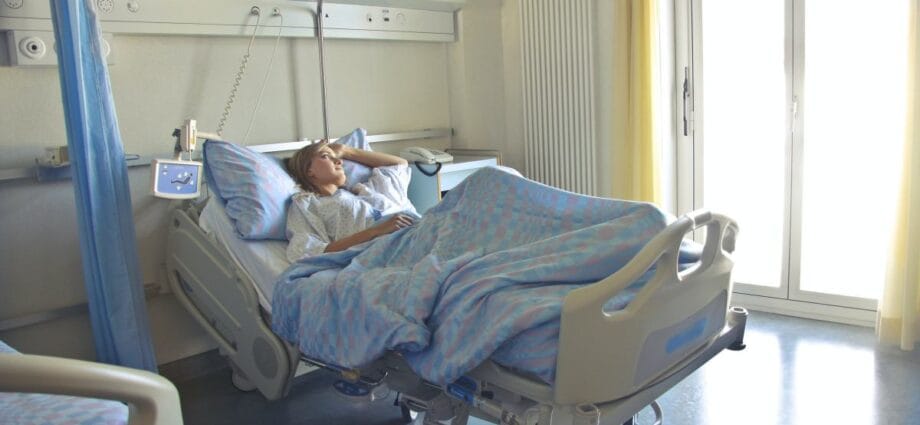
A stroke is a medical emergency that requires immediate action. It is often a life-changing event that requires an individual to undergo physical, emotional, and cognitive rehabilitation for months, years or even decades afterwards.
Much of the healing process depends on supporting family members, friends, and loved ones who will provide their carefree presence and their time, energy, and resources. We hope to highlight ways you can help your partner after a stroke by reminding them how much they are loved and needed.
Tips to Help Your Partner Recover After Having a Stroke
1. The Neurologist & Occupational Therapist
The neurologist will advise them of the type of stroke, the recovery process, and what to expect in the future. The neurologist will monitor their progress and try to alleviate any pain or discomfort they may face.
The occupational therapist will evaluate your partner’s mobility and speech patterns after a stroke. The goal is to teach your partner how to do daily living activities while recovering. They may also teach your partner how to dress, walk, do basic chores around the house, etc. They will teach your partner the vital life skills necessary to keep themselves safe and independent.
2. Activities of Daily Living
It is crucial to ensure your loved one is up and walking around as much as possible. You should encourage them to walk just a few feet every day by themselves. Walking will help reduce the risk of blood clots and other issues with circulation.
It also helps increase their lung capacity and makes them breathe better overall. Exercises for stroke patients are recommended as much as possible.
3. Mobility Devices
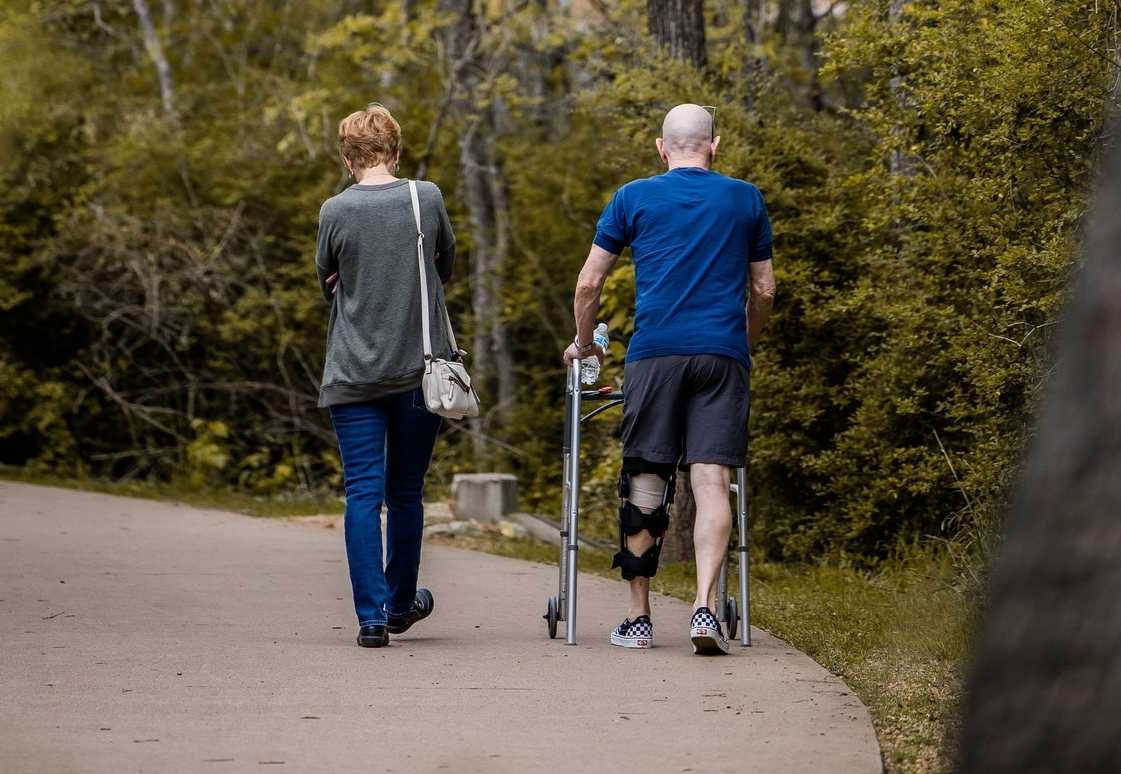
Many mobile devices are on the market for stroke victims to aid them with their movement. It would be best if you were looking for something easy and comfortable to be around. Mobility devices can be adjusted, changed, or even replaced with other types of devices when necessary.
A wheelchair has traditionally been the most popular choice, but other options include crutches, walkers, cane, etc. The important thing is that you find something that will work best for your partner, not what will work best for you or others around you.
It is also vital to give them a balanced diet. The body needs the proper nutrients to heal correctly after a stroke. They will need plenty of fruits, vegetables, proteins, carbs, etc. You should focus on creating a menu that is easy for your loved one to eat without hassle or stress.
It is a good idea to have their favourite foods ready for them because sometimes they may forget the rest. Cereals, soups, juices, etc., are all excellent choices.
4. Find Other Ways to Communicate
It is not uncommon for a person with a stroke to lose the ability to speak properly or understand speech. They may be able to say certain words that may sound strange but are the only things they can say. It would be best if you found ways for them to communicate.
It would help if you tried using pictures or symbols, showing them what you want or need, etc. They will very likely appreciate any effort into finding a way to tell you how they feel or what they want.
5. Rehabilitation
During the rehabilitation process, you will learn many new skills and tricks to help your partner cope with their medical condition. The practices will help them deal with their frequent emotions and physical pain.
You should remember that it could take months or years before they return to their original self. It is essential not to get frustrated, so be sure to give them the love, care, and support they need throughout their recovery.
6. Provide Emotional Support
During their recovery process, your loved one may have a lot of emotions tied up in what happened to them. They may be scared, depressed, or even angry. You should encourage them to speak to you or a professional about their circumstances. Providing emotional support to your loved one after a stroke is also very important.
They may even have panic attacks and anxiety. You should try to comfort them whenever you can during these stressful times. You can try listening to them, holding their hand, and helping remind them that there is always hope. When you do this, it will create an open environment for communication between the two of you.
Conclusion
We hope that we have helped you provide your loved ones with the love and support they need during this difficult time. It will play an essential role in their recovery process and can help keep them safe and healthy for a long time.
Also, read: 5 Healthy Strategies to Help You Cope With Past Trauma