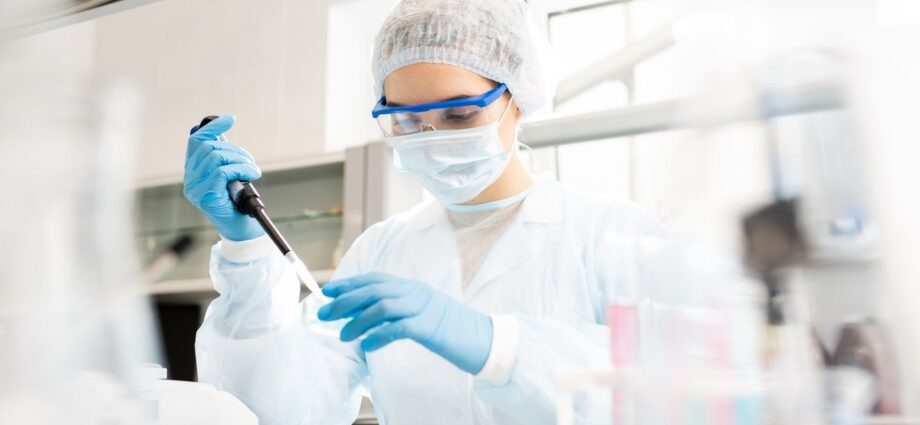
Improving laboratory performance requires a deliberate focus on both workflow and risk reduction, as even small inefficiencies can lead to costly delays or safety hazards. By identifying ways to improve a lab’s efficiency and safety, teams can streamline processes, reduce errors, and create a more reliable working environment. A well-run lab produces accurate results faster and protects staff and equipment from preventable issues.
Optimize Workflow Design
Efficient labs prioritize logical layouts and clearly defined processes. Positioning frequently used equipment within easy reach reduces unnecessary movement and saves time throughout the day. Standardizing procedures ensures that every team member follows the same steps, minimizing confusion and variability. Lab managers who document and regularly review workflows can quickly identify bottlenecks and adjust operations to maintain consistent productivity.
Prioritize Staff Training and Communication
Well-trained staff form the foundation of both safety and efficiency. Regular training sessions help employees stay updated on protocols, equipment use, and emergency procedures. Clear communication between team members prevents misunderstandings that could lead to mistakes or accidents. Encouraging a culture where staff feel comfortable reporting issues or suggesting improvements strengthens overall lab performance and accountability.
Maintain and Calibrate Equipment
Reliable equipment is essential for accurate results and safe operations. Routine maintenance and calibration reduce the risk of malfunctions that can disrupt workflows or compromise safety. Establishing a maintenance schedule ensures that all instruments operate at peak performance. When evaluating vendors, understanding what to look for in a lab equipment service provider can help ensure timely support, quality repairs, and long-term reliability.
Implement Strong Safety Protocols
Integrate safety measures into every aspect of lab operations rather than treating them as an afterthought. Proper labeling, storage of hazardous materials, and use of personal protective equipment all contribute to a safer environment. Regular safety audits help identify potential risks before they become serious problems. Reinforcing safety protocols through consistent monitoring ensures compliance and protects both personnel and research integrity.
Leverage Technology and Automation
Modern labs benefit from digital tools that streamline data management and reduce manual errors. Automation can handle repetitive tasks, freeing staff to focus on more complex work. Laboratory information management systems improve organization, track samples, and enhance collaboration. By integrating technology thoughtfully, labs can increase efficiency while maintaining strict quality and safety standards.
Foster Continuous Improvement
Successful labs regularly evaluate their processes and seek opportunities for refinement. Gathering feedback from staff and analyzing performance metrics allows teams to make informed adjustments. Small, incremental changes often lead to significant improvements over time. A commitment to ongoing optimization ensures that the lab remains adaptable and competitive.
Create a Balanced Approach
Focusing on organization, training, maintenance, and innovation creates a balanced approach to operational excellence. By consistently applying these ways to improve a lab’s efficiency and safety, teams can boost productivity while maintaining a secure and dependable environment.