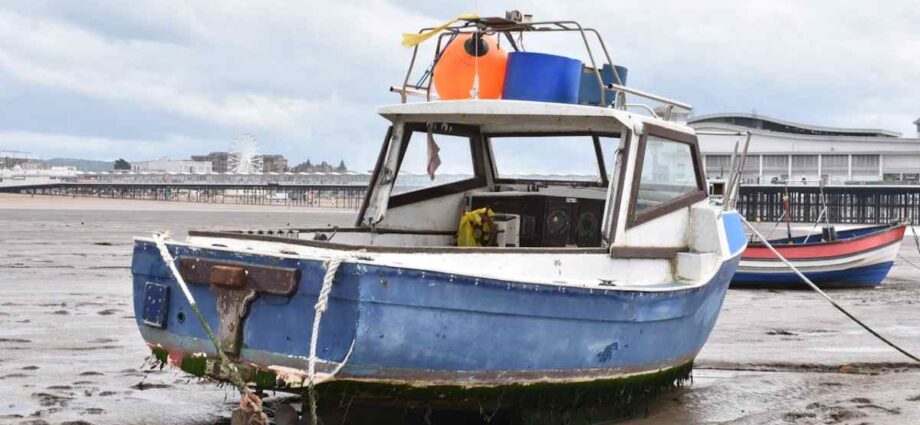
Buying a boat promises weekends on the water, island runs, fishing trips, and a break from screens, traffic, and noise. A used boat can make that dream more affordable, but it can also turn into a money pit if the buyer skips the right checks.
Before buying a used boat, there are many things to check to ensure that your big purchase isn’t a lemon. Below, we explain the most important things you should inspect on a pre-owned marine vessel.
Start With the Hull
The hull sets the tone for the entire boat. If it has damage, repairs can get expensive fast. Walk around the full exterior and look for cracks, blisters, gouges, warped areas, or signs of impact. Pay close attention to the keel, chines, and transom, since those areas take a beating over time.
Small cosmetic scratches may not mean much, but spider cracks near stress points can hint at bigger structural issues. If the boat sits on a trailer, inspect the sections hidden by bunks or rollers as closely as possible.
Check the Transom for Strength
Another thing to check before buying a used boat is the transom, which is the rear section that supports the engine on many boats. Push against it, look for flex, and inspect for cracks around mounting bolts, drains, and fittings. Soft spots or movement can signal rot or long-term water intrusion.
Transom repairs are not minor weekend projects. They can require major labor and money. If the back of the boat feels weak, that deal can lose its shine very quickly.
Inspect the Engine Like It Matters, Because It Does
The engine can make or break a used boat purchase. A shiny cowling does not prove strong mechanical health. Ask for service records, maintenance history, engine hours, and any recent repairs. Then open things up and look for corrosion, leaks, loose hoses, worn belts, or messy wiring.
A cold start reveals a lot. The motor should start without drama and idle smoothly. Excess smoke, hard starting, shaking, or strange sounds can point to trouble. If possible, bring in a marine mechanic for a pre-purchase inspection. This step can save thousands and give buyers leverage if the vessel requires repairs.
Look at the Bilge and Pump System
The bilge area tells a story that some sellers would rather keep hidden. Lift the hatch and inspect for standing water, fuel smell, oil residue, mold, or signs of neglect. A dirty bilge can suggest poor maintenance across the boat.
The bilge pump also deserves a careful look because it serves as a key safety component. Inspecting a boat’s bilge pump requires just a few steps and will give buyers peace of mind on a small detail that’s nonetheless integral to the boat’s performance and function.
The Smart Buy Beats the Fast Buy
Buying a used boat can deliver excellent value if you do your research carefully. The smartest move is not chasing the flashiest paint job or the loudest sales pitch. It is checking the parts of the boat that truly matter, from the engine to the bilge. On the water, a little caution up front beats a giant repair bill later.
Check out: What to Consider When Buying Your First Boat