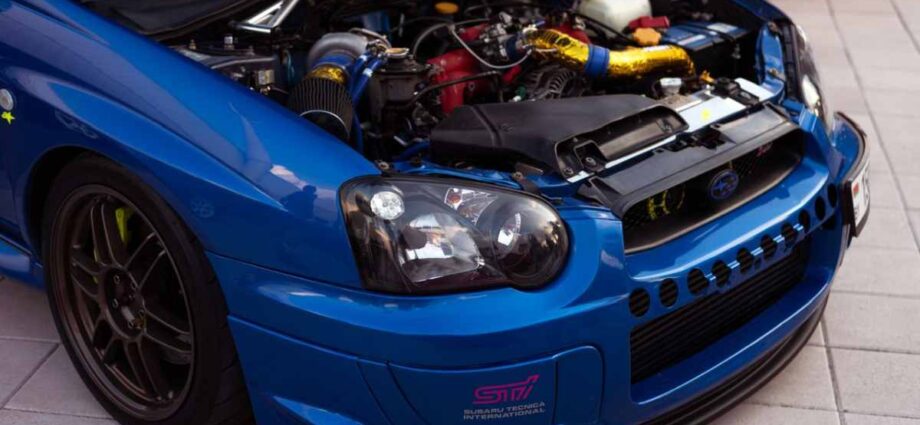
If you’ve been holding off on modding your truck because you’re scared of losing your warranty, you’re not alone. However, the idea that any aftermarket part automatically cancels your coverage is one of the most persistent myths about aftermarket diesel parts. That said, it’s not a completely unfounded concern. Let’s review the nuanced facts of this dilemma so you can make confident mods to your vehicle.
The Magnuson-Moss Warranty Act
There is a law that protects you, and it’s called the Magnuson-Moss Warranty Act of 1975. This act says that a manufacturer cannot dishonor your warranty for the sole reason that you installed aftermarket parts. Rather, the dealer or manufacturer has to prove that the aftermarket part directly caused the specific failure you’re claiming. So if you put on a new exhaust and your transmission fails, those two things aren’t connected, and your transmission warranty stays intact.
What Can Still Get Your Warranty Voided
That said, certain aftermarket parts can still void sections of your truck’s warranty. If you tune your ECU to push more horsepower and your engine blows, the manufacturer has a solid argument that your tune caused that failure. The same logic applies to lifted suspension components that stress your drivetrain, or oversized tires that overload your wheel bearings. The closer the modification is to the component that failed, the more likely it is that you face a voided warranty.
How Dealers Handle Aftermarket Modifications
Dealers don’t all handle warranty claims the same way. Some will look at any aftermarket part and use it as a reason to deny a claim, whether or not the logic holds. Others won’t bat an eye at a cold air intake or a leveling kit. Your best protection is documentation. Keep receipts, keep installation records, and if you’re making major modifications, consider getting a written statement from a shop that the work meets OEM standards.
Parts That Carry Minimal Warranty Risk
Some modifications are almost never an issue. For instance, cosmetic changes, lighting upgrades, bed liners, floor mats, and even most bolt-on performance parts rarely give manufacturers grounds to deny a claim. Again, the risk gets higher when you’re modifying systems that directly affect engine performance.
Read the Fine Print Before You Wrench
Here’s the deal: Aftermarket parts don’t automatically void your truck’s warranty, but they can void coverage for specific components if you can’t rule out a direct connection between the mod and the failure. Know what you’re installing, understand what systems it interacts with, and keep your documentation in order. That’s the best way to keep your coverage intact.