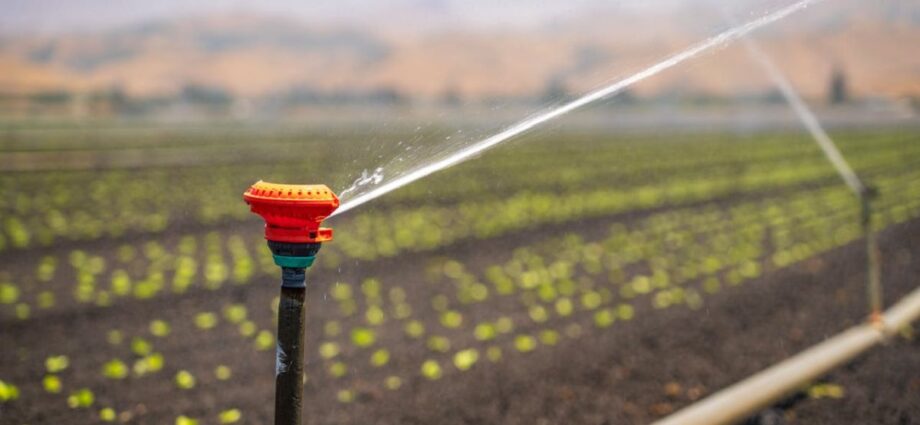
Good irrigation scheduling helps farmers apply the right amount of water at the right time. That matters more as weather patterns shift, input costs rise, and water access becomes more limited in many growing regions. Water decisions affect nearly every part of crop production. Too little water slows growth, while too much water can damage roots and waste nutrients and yield.
Find out how irrigation scheduling is so important to agriculture, especially to crop yield and health.
Better Timing Supports Stronger Crop Growth
Crops need different amounts of water at different growth stages. Germination, flowering, fruit set, and grain fill often require close attention because water stress during these periods can cut yield. A schedule based on crop stage and weather gives farmers more control. Guesswork can lead to dry soil during critical periods or excess moisture when crops need oxygen around the roots.
Overwatering Creates Real Problems
Many farms focus on drought stress, but overwatering can cause just as much harm. Saturated soil limits oxygen and encourages disease, which can weaken root systems. Extra water can also move nutrients below the root zone. That forces farmers to spend more on fertilizer while crops receive less benefit from each application.
Common signs of poor irrigation timing include:
- Uneven crop height across a field
- Yellowing leaves from stressed roots
- Standing water after irrigation
- Dry soil before key growth stages
- Higher pumping costs without better yield results
Scheduling Helps Protect Yield Potential
Yield depends on steady crop development throughout the season. Water stress can reduce leaf area, slow photosynthesis, and limit the plant’s ability to move nutrients. Smart scheduling helps avoid major swings between dry and wet soil. Consistent moisture gives crops a better chance to use fertilizer efficiently, develop stronger roots, and reach expected yield goals.
Technology Makes Scheduling More Accurate
Modern tools make irrigation decisions easier to manage. Soil moisture sensors, weather data, flow meters, remote pump controls, and mobile alerts can show what happens in the field without constant manual checks. Understanding how farmers use irrigation technology like these systems help growers explore different operations and use these tools in practical ways.
Water Efficiency Also Affects Farm Costs
Irrigation costs include fuel, electricity, labour, maintenance, and water access. A weak schedule can increase each of those costs without improving crop performance. Better irrigation scheduling reduces unnecessary pumping and helps equipment run with a clearer purpose. That can lower expenses while also supporting more responsible water use.
A Practical Part of Crop Management
Irrigation should not run on habit alone. Field checks, crop needs, soil type, system capacity, and weather forecasts all deserve attention before each watering decision. Strong scheduling does not require the most advanced setup on day one. Even small improvements in irrigation scheduling can help farmers protect crop health and improve yield consistency.
Check out: Work Smarter, Not Harder: 6 Technologies that Make Farming Efficient