Ever notice how rain can drench one surface while another nearby looks almost untouched? A jacket sheds water in shiny beads. A painted railing looks dry after a quick shake. A concrete step darkens slowly as the moisture sinks in. Rain may fall the same way, but surfaces don’t all respond the same way.
That’s the simple science behind why certain surfaces stay dry even in heavy rain. Texture and surface chemistry both play a role. Once you know what’s happening, you may start noticing water beading on cars or rolling off leaves after the next storm.
Texture Changes the Way Water Moves
Water reacts differently depending on what it lands on. A smooth surface can let droplets slide away fast. A rougher surface may hold water in tiny pockets, which gives moisture more time to spread. Nature gives us a great example. Lotus leaves repel water because tiny surface structures keep droplets from flattening out. Water rolls away, often carrying dirt with it. That famous “lotus effect” has inspired many water-shedding materials.
Texture doesn’t always need to look dramatic. Some patterns sit at a microscopic level, far beyond what the eye can catch, yet they still change how rain behaves.
Chemistry Makes Droplets Bead Up
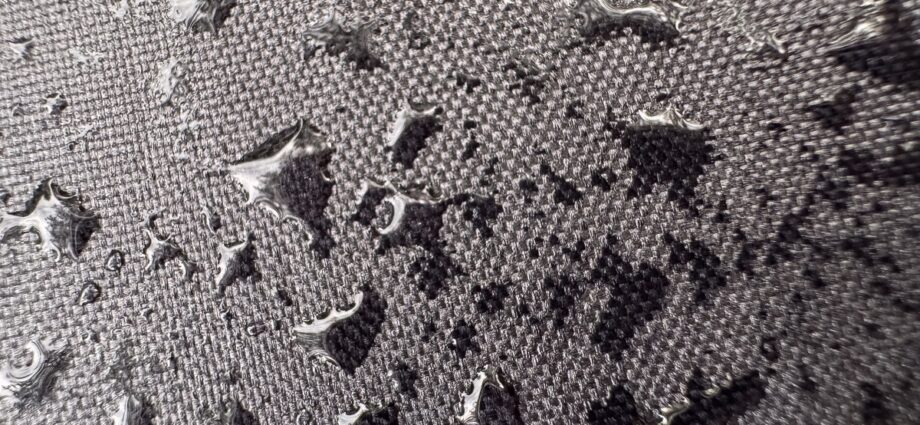
Surface chemistry determines whether water spreads out or forms rounded drops. Materials that attract water let it cling. Materials that resist water make it bead. That’s why a freshly waxed car looks so satisfying during a storm. The wax changes the surface enough that water gathers into neat droplets rather than spreading into a flat film. Outdoor fabrics can work similarly.
When water beads up, gravity can help. Droplets roll off before the surface absorbs much moisture.
Porous Materials Need More Help
Some surfaces soak up water because they have tiny openings. Concrete, brick, and stone often behave this way. Rain can move into those openings and leave marks once the surface dries.
Treatments can help change that outcome. Products such as water repellents and stain repellents help porous materials resist moisture and reduce grime marks. Some treatments soak into the material rather than sit on top, which helps preserve the original look. The right treatment depends on where the surface sits. A walkway deals with foot traffic. A wall faces weather from a different angle.
Shape Helps Rain Move Along
A surface can repel water and still collect puddles if it sits flat. Shape matters because rain needs somewhere to go. A slight slope can help water move away before it has time to soak in. Designers often use small details to guide water away from vulnerable areas. Roof overhangs can protect walls. Drainage paths can keep puddles from sitting too long after a storm.
A few details can help outdoor surfaces dry faster:
- Slight slopes on walkways
- Sealed joints around openings
- Clear drainage paths
- Regular removal of leaves or debris
These details may not look flashy, but they do plenty of work when the weather turns messy.
Upkeep Keeps Water Rolling
Even water-repellent surfaces need regular care. Dirt can interfere with beading. Scratches can expose absorbent material underneath. Sun exposure can also wear down some treatments over time. Gentle cleaning helps surfaces perform better, but harsh scrubbing can shorten the life of certain coatings. Check product guidance before resealing or using strong cleaners.
If water once rolled off but now soaks in, the surface may need fresh protection. That’s why some surfaces stay dry even in heavy rain while others absorb moisture quickly. Rain shows how material choices and upkeep affect what happens after clouds open.
Check: Everything You Need to Know About Garage Floor Coating