In a hospital’s complex and fast-paced environment, having the right medical equipment is not just beneficial but essential for patient care, diagnostic accuracy, and overall operational efficiency. From emergency rooms to surgical theatres and inpatient wards, the quality and availability of medical devices play a pivotal role in a hospital’s ability to provide top-tier health services.
Let’s look at four pieces of medical equipment every hospital needs and why they are crucial in modern healthcare.
Diagnostic Imaging Equipment
Diagnostic imaging equipment, such as X-rays, computed tomography (CT) scans, and magnetic resonance imaging (MRI), are essential for accurate and timely diagnosis of various medical conditions. These devices use advanced technology to produce detailed images of the body’s internal structures, allowing doctors to identify abnormalities and formulate treatment plans.
With the increasing awareness of chronic diseases and complex health conditions, diagnostic imaging equipment has become a standard in almost every hospital. It enables healthcare professionals to make informed decisions and provide effective treatment, saving countless lives.
Ventilators
Ventilators are life-saving devices that support patients with difficulty breathing or who cannot breathe independently. These machines deliver oxygen to the lungs and remove carbon dioxide from the body, allowing patients with respiratory failure to receive critical care.
Ventilators are especially crucial in critical care units and during emergencies where patients require immediate breathing support. They come in various types and sizes, each designed for specific medical needs. For hospitals, having sufficient quality ventilators is vital for providing comprehensive care to patients with breathing difficulties.
Defibrillators
Cardiac arrest is a medical emergency that requires immediate intervention. In such situations, defibrillators can be the difference between life and death. These devices deliver an electric shock to the heart to restore its normal rhythm, giving precious time for medical professionals to provide further treatment.
Defibrillators are common in emergency departments, intensive care units, and other hospital areas where you treat patients with heart conditions. They are also portable and essential for emergency responders and ambulance services.
Surgical Trays
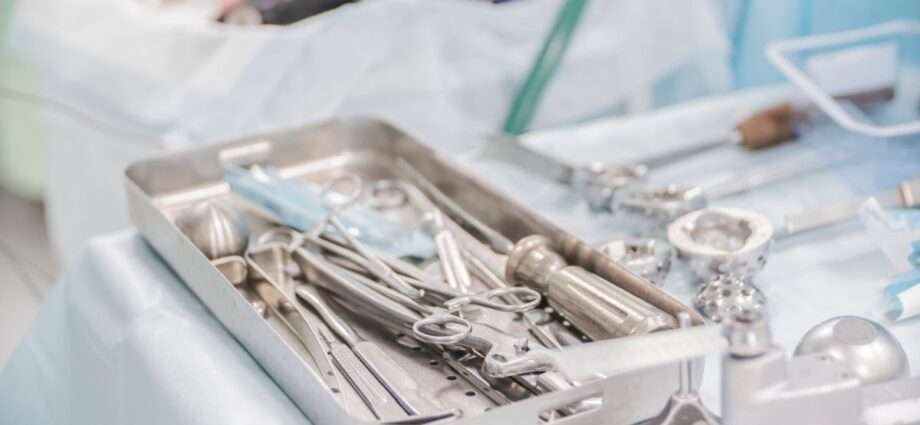
A surgical tray is a set of instruments, tools, and supplies used during surgeries. It includes everything from scalpels and forceps to sterile drapes and sponges. Without these trays, surgeons could not perform complex procedures with precision and efficiency.
Having well-stocked surgical trays is essential for surgical procedures and can improve patient safety by reducing the risk of infection and contamination. Learning the importance of surgical trays in medical settings can give you a better understanding of the meticulous preparation and attention to detail required for successful surgeries.
Hospitals need a wide range of medical equipment to provide high-quality care to patients. These four pieces of equipment are just a few examples of essential devices that hospitals rely on daily. With technological advancements, we can expect to see even more innovative and crucial medical equipment being developed, further improving healthcare outcomes for patients worldwide.