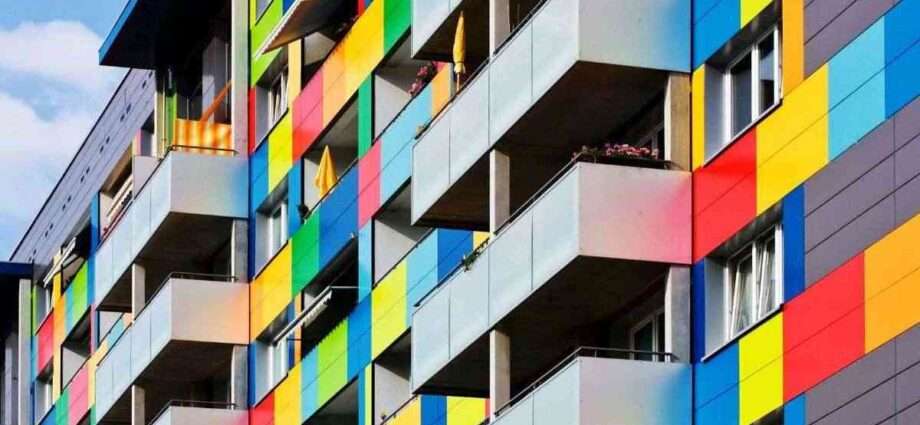
In the dynamic world of commercial painting, the selection of colours transcends aesthetic appeal, embodying a potent psychological influence that sways mood, behaviour, and even productivity within the workplace. This intricate relationship between colour and psychology is not just fascinating but instrumental for businesses intent on forging environments that mirror their brand ethos while uplifting the spirits of both employees and customers.
Today we dig deeper into the profound effects of colour psychology in commercial settings, shedding light on how strategic colour choices can serve as a pivotal business tool.
Harnessing Emotions and Moods Through Colour
Colours possess an innate power to elicit specific emotional responses and set the mood, a principle of paramount importance in commercial painting. Warm hues such as red, orange, and yellow spark stimulation and vivacity, ideal for high-energy settings like fitness centres and eateries.
Conversely, cool tones like blue, green, and lavender are the harbingers of tranquillity and focus, making them perfect for offices and healthcare establishments. Grasping the emotional language of colours enables businesses to cultivate the atmosphere that best aligns with the space’s intended purpose.
Strengthening Brand Identity with Thoughtful Colour Choices
The colour palette of a commercial space is a critical component in amplifying a brand’s identity. A consistent application of brand-specific colours across physical and digital realms fortifies a cohesive and recognizable brand image.
For example, a brand with a cornerstone in environmental stewardship might lean towards greens to manifest its eco-friendly philosophy. The strategic selection of colours in a commercial setting goes beyond aesthetics; it’s a declaration of the brand’s core values and character.
Elevating Workplace Productivity and Well-Being Through Colour
The psychology of colour extends its influence to enhancing productivity and well-being in the workplace. Certain colours are thought to positively impact cognitive functions and overall work efficiency. Blue, often linked with improved focus and mental clarity, is a favoured choice for office environments.
Using elements of green can alleviate eye strain and foster balance, supporting sustained productivity. Selecting workplace colours that cater to the nature of tasks can significantly boost employee performance and satisfaction.
Crafting Customer-Friendly Spaces with Strategic Colour Use
The initial impression a commercial space imparts to customers can be pivotal, with colour playing a crucial role in shaping perceptions. A carefully chosen colour scheme can render a space inviting and warm, encouraging customers to linger.
Retail outlets frequently employ bright, lively colours to energize the shopping atmosphere, while wellness centres might opt for subdued shades to evoke a sense of serenity. Understanding colour psychology enables businesses to design environments that positively influence customer behaviour and experience.
Navigating the Intricacies of Colour Psychology in Commercial Painting
Applying colour psychology in commercial painting is not without its challenges. Factors like cultural significance, individual preferences, and prevailing trends can sway how colours are interpreted, necessitating a thoughtful consideration of the space’s context and audience. Moreover, a space’s lighting and dimensions can alter colour perception, affecting its psychological impact.
Collaborating with seasoned painters and designers, who bring a nuanced understanding of these aspects, can aid businesses in overcoming these obstacles and making informed colour decisions.
Expanding Perspectives: The Future of Colour in Commercial Spaces
As you look toward the future, the role of technology in understanding and applying colour psychology in commercial spaces is becoming increasingly significant. Innovations such as virtual reality and augmented reality offer new avenues for experimenting with colour schemes before application, ensuring the chosen palette achieves the desired psychological effect.
Furthermore, research into the field is ever-evolving, continually unveiling new insights that can enhance the effectiveness of commercial painting strategies.
Empowering Sustainable Practices
The intersection of colour psychology and environmental sustainability opens new pathways for commercial entities to express their commitment to eco-friendly practices. Utilizing natural and earthy tones can reflect a brand’s dedication to sustainability, drawing consumers who prioritize environmental consciousness in their purchasing decisions.
For instance, incorporating varying shades of green can symbolize growth and harmony with nature, while earth tones like browns and beiges convey stability and a grounded approach.
Beyond aesthetics, choosing environmentally friendly paints — low in volatile organic compounds (VOCs) — aligns the physical application of colour with a brand’s eco-conscious values. This thoughtful approach not only enhances a space’s visual appeal but also champions sustainable practices, resonating deeply with eco-aware customers and employees alike.

Leveraging Colour Psychology for Enhanced Learning Environments
Educational institutions stand to benefit significantly from the application of colour psychology in their spaces. Research suggests that certain colours can improve learning outcomes, attention, and behaviour in students of all ages. For example, soft blues and greens can create a calm and conducive environment for learning, reducing anxiety and enhancing concentration.
When used sparingly, brighter colours can stimulate engagement and creativity, especially in areas designated for younger children or creative activities. Educational facilities can tailor environments that support teaching and learning goals by strategically using specific colours in classrooms, libraries, and common areas.
Involving students in the colour selection process is also a great way to empower them, giving them a sense of ownership and pride in their educational environment. This inclusive approach optimizes the learning space and instils a sense of community and belonging among students and staff.
The profound interplay between colour choices and psychology in commercial painting offers businesses a formidable tool in crafting environments that positively affect mood, behaviour, and productivity. By meticulously selecting colours that resonate with their brand identity, desired atmosphere, and the well-being of both employees and customers, businesses can unlock its benefits.
From invigorating a workspace to ensuring a welcoming customer environment, the strategic application of colour psychology is indispensable for any commercial painting project, promising an aesthetic transformation and a psychological one. Whether it’s spicing up a workspace, enriching a learning environment, or reinforcing a commitment to sustainability, the thoughtful application of colour in commercial painting projects holds the key to unlocking profound and lasting impacts.