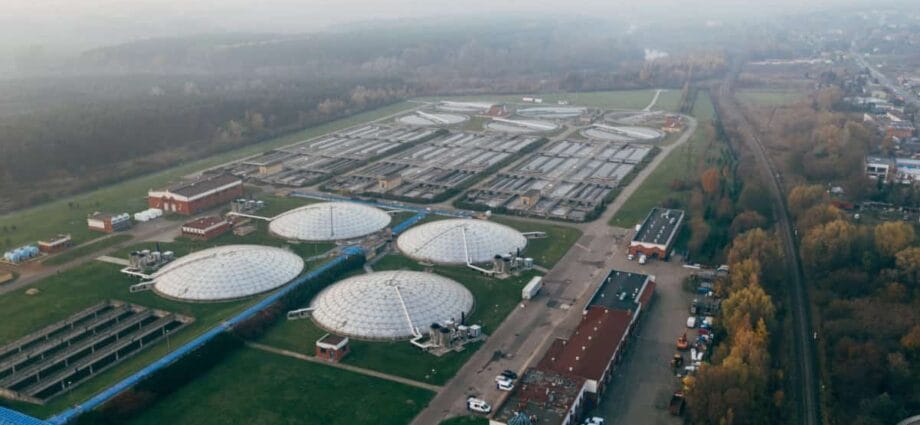
Lift stations are vital for sewer systems that do not flow naturally. They raise sewer water to a higher elevation to allow it to flow with the aid of gravity. They are also ideally used to protect the sewer system from detrimental leakages and overflows.
It is commonplace for these systems to be left unattended despite the need to monitor them constantly. Read on for some of the commendable practices to consider when monitoring these stations.
The Best Practices for Lift Station Monitoring
1. Level Monitoring
Sewer systems are prone to fluctuations in sewer levels. These fluctuations can be problematic if not monitored and checked as they could cause leakages and overflowing. Overflows are bad for the environment and may attract costly fines. Ultrasonic level sensors will enable the monitoring of levels at the station.
This sensor can work in tandem with automatic shut-off valves and alarm systems. These sensors demonstrate an ability to ensure early response to prevent overflows and leakages. It would be commendable to install these sensors and have them maintained and serviced to ensure optimal operation.
2. Remote Monitoring and Alarm System
There is a need for remote lift station monitoring as we are not able to spend the entirety of our time at the station. Having multiple lift stations in varied locations also makes it much harder to monitor them. These remote alarm systems allow you to receive real-time notifications of changes and threats to the system.
Alarm systems, such as the Cellular 4G system from Tank Vitals, are quite capable in this endeavour. These systems will also allow you to monitor multiple stations remotely. They are set up to give accurate information on the sites via email or text message.
It is easy and cost-effective to set up these systems, and the benefits are endless. It would be commendable to adopt this practice as it helps limit the occurrence of costly detriments.
3. Trend Data Logging
Data from your lift station can be quite insightful when it comes to decision-making and process management. For this reason, it would be ideal to have a system to log any data from the available stations. Run times are a good way to keep track of your station utilities.
This data can be logged and utilized by engineers to determine the station’s level of functionality. It may also be used to alert them to malfunctions and fluctuations in operations.
Recording this data daily allows you to monitor trends and events at each station. Analysis of this data can be useful in the long-term management of the lift station. Trend data may also encompass flow history, malfunction history, and equipment status. This data can be collected in real-time when complemented by remote monitoring systems.
4. Flow Measurement and Algorithms
Monitoring lift stations can be daunting, especially on uneven and hilly terrains. Flow measurement is ideal for determining if there are leaks or overflows in the system. This information is also useful for billing processes, determining efficiency, and scheduling maintenance tasks.
A flow algorithm allows for an accurate calculation of low measurement to ensure proper management of the station. This algorithm may also be used to determine abnormal occurrences in the lift station for preemptive action. It would be commendable to ensure the integrity of your flow measurements and algorithms to ensure optimal operation across all lift stations.
5. Regular Inspections and Maintenance
Much like any other mechanized facility, lift stations require regular inspection and maintenance. It would be commendable to carry out weekly physical inspections on all your stations to ensure they are operating optimally. These inspections should be elaborate enough to assess all working parts of the station.
A professional inspection would be highly preferred as it is likely to point out and fix risks in the station. These inspections may be supplemented by service and maintenance to restore the stations to peak operation.
Regular maintenance will eliminate the need for costly repairs and replacements in the long run. A rotational schedule will allow you to meet the needs of all the stations in your portfolio.
Final Thought
The above-mentioned practices are guaranteed to make lift station monitoring a breeze. They will also ensure peak efficiency and optimal management of the stations.
Check out: 5 Inspiring Ways to Improve How You Manage Your Technician Business