Agriculture has transformed dramatically with the introduction of modern technology. Farmers now have access to sophisticated tools that streamline operations, reduce manual labour, and optimize crop production. Certain pieces of tech that make farming more efficient have revolutionized how farming is conducted across the globe.
GPS and Precision Agriculture Systems
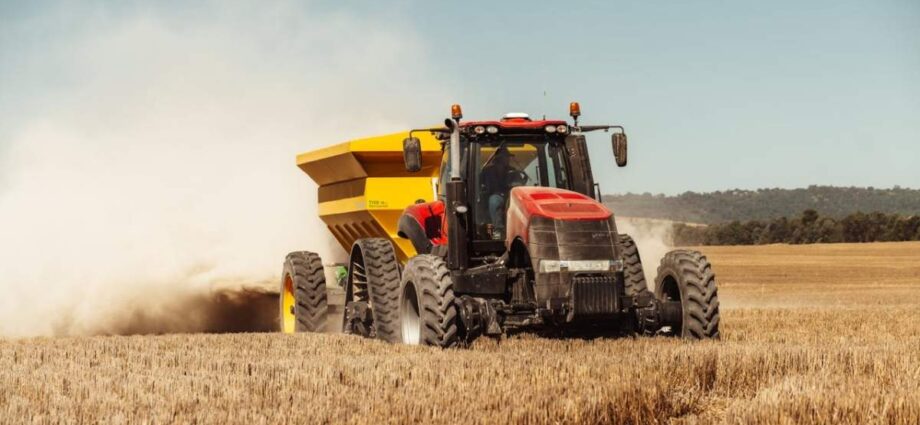
Global positioning system (GPS) technology allows farmers to map their fields with incredible accuracy. These systems enable precise planting, fertilizing, and harvesting by providing exact location data. Tractors equipped with GPS can follow predetermined paths, ensuring consistent spacing between rows and eliminating overlap during field operations. This technology reduces seed waste, fertilizer overuse, and fuel consumption while maximizing field coverage.
Soil Monitoring Sensors
Advanced sensor networks placed throughout fields provide real-time data about soil conditions and weather patterns. These devices measure moisture levels, temperatures, pH levels, and nutrient content in the soil. This constant monitoring allows farmers to make informed decisions about irrigation timing, fertilizer application, and pest control measures. Instead of relying on guesswork or fixed schedules, farmers can respond to actual field conditions and optimize their resource usage accordingly.
Automated Irrigation Systems
Smart irrigation systems use data from soil moisture sensors to determine when and how much water each section of the field requires. Some systems can connect to weather forecasts to avoid unnecessary watering before expected rainfall. This automation saves time that farmers would otherwise spend manually checking fields and adjusting irrigation equipment.
Drone Technology for Field Monitoring
Drones equipped with high-resolution cameras and specialized sensors can quickly survey large areas and identify problems that might not be visible from ground level. Drones capture images that can reveal crop stress, pest infestations, disease outbreaks, and irrigation issues.
Automated field mapping benefits agriculture because these devices can create detailed maps showing field boundaries, crop health variations, and problem areas that require attention.
Automated Harvesting Equipment
Modern harvesting machines use computer-controlled systems to optimize crop collection. Automated equipment reduces the need for manual labor during busy harvest seasons and operates with greater consistency. These machines can work longer hours and maintain steady performance throughout extended harvesting periods.
Farm Management Software
Digital platforms help farmers organize and analyze data from all their technological tools by tracking planting schedules, input costs, yield data, and equipment maintenance needs. Farmers can access historical data to identify trends and make better decisions for future seasons.
The software integrates information from various sources, creating comprehensive reports that help farmers understand which practices produce the best results. Various pieces of tech that make farming more efficient work best when their data is combined and analyzed through management systems.
Modern Farming: Making Technology Work Together
The greatest efficiency gains come when multiple technologies work in coordination. GPS systems guide automated equipment, while sensors provide data that influences software recommendations. Drones identify problem areas that ground-based sensors might miss, and computerized irrigation systems respond to weather data and soil conditions.
Modern farming success depends on selecting the right combination of technologies for each specific operation and ensuring these tools communicate effectively with each other.
Check out: The Future of Agriculture: How are Robots Redefining Farming