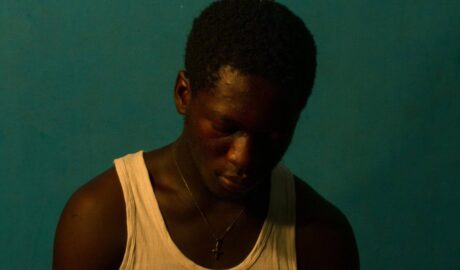
There are injustices that leave you unsettled, with a bad taste in your mouth, and there are those that stay with you. And then there are stories like that of Alex Waiswa Mufumbiro, the National Unity Platform (NUP) Deputy Spokesperson, that compel us to confront uncomfortable questions about justice, humanity, and the very systems designed to uphold both.
Since his arrest on 8 September 2025 on charges including unlawful military-style drills (contrary to Section 45 of the Penal Code Act) and incitement to commit an offence (Section 21(1) of the Penal Code Act), Alex has been held on remand at Luzira Prison for over seven months. He has not been convicted or sentenced, and remains presumed innocent under Article 28(3)(a) of the 1995 Constitution of Uganda.
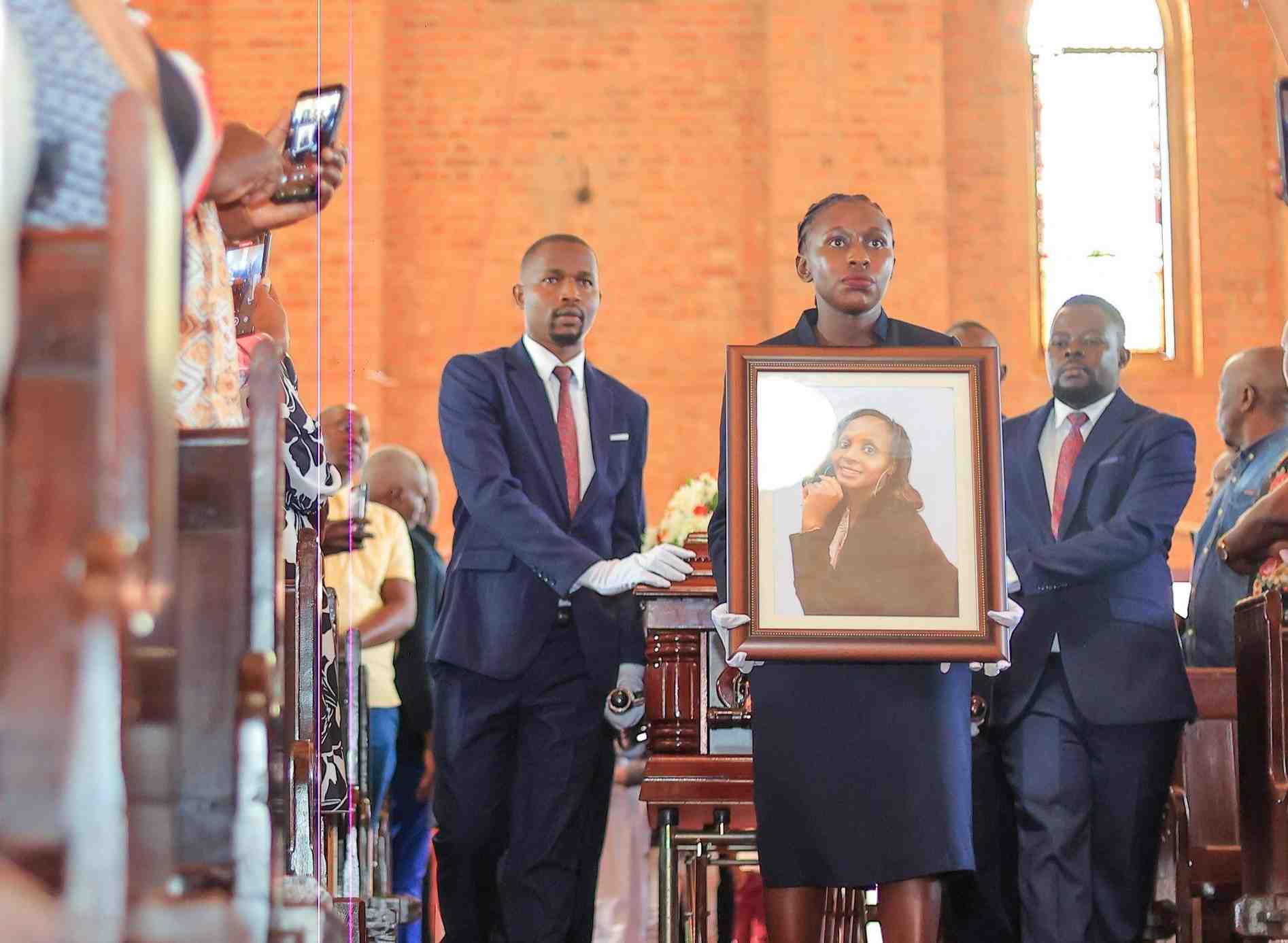
While Alex remained in detention, his wife, Edith Katende Mufumbiro, battled advanced breast cancer until she passed away in early April 2026. A man presumed innocent until proven guilty was denied the chance to be by his wife’s side in her final days or to fulfil her wish to lay her to rest. In response, his legal team applied for temporary humanitarian bail solely to attend the burial in Luuka District. That application was denied by the Chief Magistrate at the Kawempe/Kanyanya Court on or around 10–12 April 2026.
The court’s stated reasons, as reported, included the seriousness of the charges (which carry a potential maximum of 10 years’ imprisonment) and the perceived risk that Alex would abscond. The proposed sureties of his father, retired magistrate Moses Baligeya, and Nakawa East MP/Lord Mayor-elect Ronald Balimwezo were rejected.
Prosecution reportedly described the father as “too poor” (or, in varying accounts, too elderly or too closely related to guarantee compliance), while the second surety was deemed not close enough to the accused.
This ruling raises profound legal and logical concerns under Ugandan law
Under Article 23(6)(a) of the Constitution, every person arrested or detained is entitled to apply to court for bail, and the court may grant it on such reasonable conditions as it considers appropriate. Bail is not a privilege for the wealthy; it is a constitutional safeguard rooted in the presumption of innocence.
The Constitution (Bail Guidelines for Courts of Judicature) (Practice) Directions, 2022 (issued by the Chief Justice) provide clear criteria for assessing sureties. Guideline 15 directs courts to consider: the surety’s age, work and residence address, character and antecedents, relationship to the accused, and any other relevant factor.
A retired magistrate with decades of service in the judiciary possesses exceptional character and antecedents. He ran a law firm post-retirement and has deep roots in the legal system he once served. Dismissing such a surety primarily on perceived financial standing rather than proven inability to ensure court attendance appears inconsistent with the guidelines’ emphasis on character over wealth.
Ugandan jurisprudence and legal commentary have long criticised purely financial barriers to bail as discriminatory and contrary to the principle that justice must not turn on economic status. Article 126(2) of the Constitution underscores that judicial power must be exercised in a manner that upholds equality and fairness.
Temporary humanitarian bail for compelling personal reasons such as attending a spouse’s burial is not unknown in Ugandan courts. Courts routinely balance flight risk against humanitarian considerations, often imposing strict conditions (e.g., police escort, limited duration, electronic monitoring if available, or enhanced sureties). Here, the application was narrowly tailored: not for release pending full trial, but for a short, supervised window to honour a final family duty.
The denial, even while acknowledging the gravity of the charges, invites scrutiny as to whether discretion was exercised proportionately or whether extraneous perceptions (political or financial) influenced the outcome.
When Justice Risks Becoming Transactional
Bail exists to preserve liberty and dignity while the state proves its case. The 2022 Bail Guidelines explicitly aim to prevent arbitrary or overly restrictive conditions that undermine the constitutional right to bail. When a court rejects sureties of high professional standing and long public service not for lack of integrity or fixed abode, but for alleged insufficiency of means it risks reducing justice to a financial transaction rather than a principled safeguard. This is especially troubling in a case already perceived by many (including NUP leadership) as politically motivated, given Alex’s prominent opposition role.
Such perceptions are not new in Uganda’s justice system. High-profile opposition cases have repeatedly tested public confidence in the separation of law and politics. Whether or not the charges against Alex are ultimately proven, the handling of his humanitarian application feeds a broader narrative of selective application of the law. Today it is Alex Waiswa Mufumbiro. Tomorrow it could be any citizen.
Beyond Legality: The Human Cost
No legal technicality can restore the irreversible loss Alex has suffered. A justice system that cannot find even a narrow, conditional path to allow a grieving husband to bury his wife while he remains unconvicted fails not only the letter of Article 23 but the spirit of humanity that underpins it. The Constitution demands that courts administer justice without undue regard to social or economic status. The rule of law requires consistency, fairness, and compassion where procedure permits.
This case does not merely test one magistrate’s discretion. It tests the credibility of our institutions. A justice system worthy of public trust must prioritise both legality and humanity. Bail processes must be fair and non-discriminatory. Courts must inspire confidence through transparent, reasoned decisions grounded in the Constitution and Guidelines not perceptions of poverty or political affiliation.
As Ugandans reflect on Alex Waiswa Mufumbiro’s plight, the real question is not whether procedure was followed to the letter. It is whether justice substantive, humane, and equitable was delivered. When the answer feels uncertain, it is not only the accused who stands trial. The system itself is on notice.
Justice is not merely about laws on paper. It is about people, families and lives. And in this case, the cost of systemic rigidity has already proven tragically high. Stay informed and keep questioning. Because the strength of our democracy depends on a justice system that bends toward humanity without breaking the law.
Check out: The Power of Youth Leadership and Why It’s Vital for Our Community