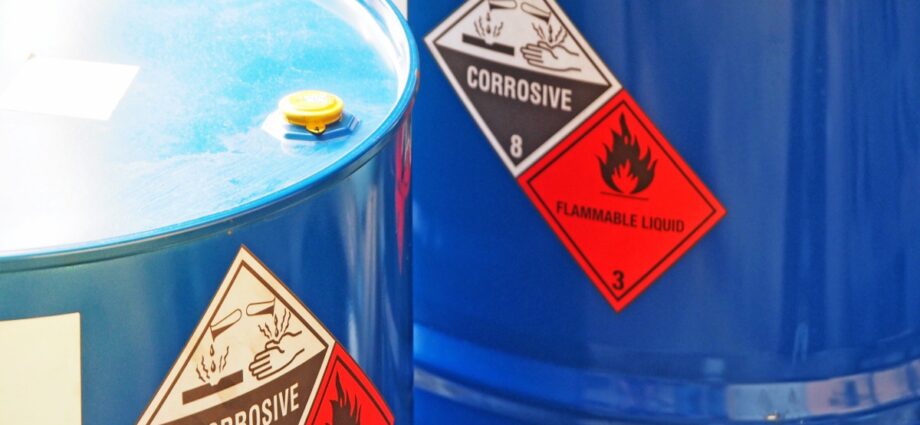
Industries, laboratories, and manufacturing facilities produce chemical waste every day. When organizations fail to manage these materials responsibly, serious environmental damage can follow. Experts continue to highlight how environmental risks caused by chemical waste affect ecosystems, water systems, wildlife, and human communities.
Without proper disposal procedures, hazardous substances spread beyond the original site and disrupt the surrounding environments. Understanding these risks helps communities, businesses, and individuals support responsible waste management practices.
Below are seven major environmental concerns connected to chemical waste.
Soil Contamination Damages Local Ecosystems
Chemical waste can seep into soil when containers leak or when dumping occurs without safeguards. Once chemicals enter the ground, they disrupt nutrient cycles and harm plants.
Contaminated soil also affects crops and vegetation by introducing toxic compounds that hinder growth and enter the food chain. Healthy soil is vital for agriculture, wildlife, and biodiversity, but chemical contamination threatens all of these systems.
Water Pollution Threatens Drinking Supplies
Chemical waste often travels through groundwater or storm runoff, carrying pollutants into lakes, rivers, and reservoirs. Water contamination impacts both wildlife and human populations.
Fish and aquatic plants suffer from exposure to toxic substances, while contaminated drinking water presents serious health risks to nearby communities. Local ecosystems depend on clean water to survive, and chemical pollutants quickly disrupt this balance.
Air Pollution From Volatile Chemicals
Certain chemical wastes emit vapors into the atmosphere, contributing to air pollution and potentially irritating the respiratory system. Industrial solvents and reactive compounds may evaporate during storage or disposal, allowing chemical particles to travel beyond the original site once airborne.
As a result, communities near industrial zones can face increased exposure when hazardous materials are not managed properly.
Wildlife Exposure and Habitat Damage
Wildlife encounters chemical waste through contaminated soil, water, or vegetation. Animals that ingest polluted food may suffer poisoning or long-term health issues. Habitat quality also declines when chemicals alter natural environments.
Toxic exposure reduces biodiversity and disrupts delicate ecosystem relationships. Species relying on clean water or stable vegetation may struggle to survive as pollution spreads across habitats.
Long-Term Environmental Persistence
Some chemical compounds degrade slowly in natural environments. These long-lasting substances persist in soil or water for years. Long-term contamination makes environmental cleanup more difficult. Communities may have to undergo extended monitoring and remediation efforts. Chemicals that resist natural breakdown pose lasting environmental challenges that require careful management.
Industrial and Laboratory Waste Concerns
Research facilities and manufacturing plants generate specialized chemical byproducts during daily operations. Proper disposal practices help prevent contamination and environmental harm. Environmental agencies highlight the importance of responsible chemical handling.
For instance, improper disposal of lab chemicals can introduce hazardous substances into water systems and soil. Facilities that adhere to strict disposal guidelines protect nearby ecosystems and uphold environmental safety.
Community and Environmental Health Risks
Chemical pollution can affect entire communities when waste spreads beyond controlled sites. Environmental contamination may disrupt local agriculture, wildlife habitats, and natural water supplies. Communities and organizations can reduce environmental risks through responsible waste practices, including:
- Proper chemical storage and labeling
- Certified hazardous waste disposal services
- Regular inspections of storage containers
- Environmental monitoring near disposal sites
- Staff training on safe chemical handling
These preventive measures support environmental protection and reduce the likelihood of contamination.
Environmental experts continue to study the environmental risks caused by chemical waste because pollution affects ecosystems on both local and global levels. Responsible disposal practices help protect water supplies, soil quality, wildlife habitats, and public health for future generations.