
Maintaining a perfect compound or lawn that remains lush and vibrant throughout the year is a goal for many homeowners. A well-kept lawn not only enhances the curb appeal of your property but also provides a green space for relaxation and outdoor activities. Whether you’re a seasoned lawn enthusiast or new to the world of compound care, these five essential tips will guide you in achieving a beautiful, healthy lawn, no matter the season.
1. Smart Fertilization
Fertilizing your compound is a fundamental practice in keeping it vibrant and healthy. The right fertilizer, used strategically, can make a significant difference in the health and appearance of your grass. Different types of grass have specific nutrient requirements, so it’s crucial to choose a fertilizer that matches your grass type.
In addition to selecting the appropriate fertilizer, timing is crucial. For cool-season grasses, which are prevalent in many regions, consider fertilizing in early spring and late fall. For warm-season grasses, late spring and late summer are typically the best times to apply fertilizer.
2. Watering Wisdom
Proper watering is the cornerstone of a healthy compound, and it’s essential to find the right balance between under and over-watering. Deep and infrequent watering is a proven strategy that encourages healthy root growth and enhances your lawn’s resilience to drought conditions. The best time to water your lawn is during the early morning hours when the weather is cooler.
Watering at this time minimizes water loss due to evaporation and also reduces the risk of fungal diseases that can result from watering during the evening. To keep track of your lawn’s moisture levels and to know when it’s time to water, consider using a rain gauge.
3. Mowing for Success
Mowing your compound goes beyond aesthetics; it’s an essential practice for promoting healthy growth and maintaining an attractive appearance. To mow your lawn effectively, consider the following tips:
-
Maintain the Right Mowing Height: Different types of grass have specific height requirements for optimal growth. Cool-season grasses typically do well when mowed to a height of 2.5 to 4 inches, while warm-season grasses thrive at heights of 1 to 2 inches.
-
Follow the One-Third Rule: Avoid cutting more than one-third of the grass blade’s length in a single mowing session. Cutting too much at once can shock the grass and lead to poor regrowth.
-
Keep Blades Sharp: A sharp mower blade is essential for a clean cut. Dull blades can tear the grass, making it more susceptible to diseases and stress.
-
Vary the Mowing Pattern: Changing your mowing pattern with each session is vital. Mowing in the same direction consistently can lead to soil compaction and rut formation, which affects the overall health of your lawn.
-
Leave Clippings in Place: Contrary to common belief, it’s beneficial to leave grass clippings on your compound. These clippings act as a natural mulch and return valuable nutrients to the soil as they decompose.
4. Weed and Pest Control
Preventing and managing unwanted plants and harmful insects are essential for the health and beauty of your grass. Here’s how to approach weed and pest control:
-
Regular Inspections: Routinely inspect your compound for signs of weeds, pests, and diseases. Early detection allows for timely intervention, minimizing potential damage and reducing the need for extensive treatments.
-
Weed Removal: When you notice weeds in your lawn, consider hand-pulling them or using a weeder tool. These methods are effective for small weed infestations and are more environmentally friendly than chemical herbicides.
-
Integrated Pest Management: Implementing an integrated pest management (IPM) approach is a sustainable way to control pests and reduce the use of harmful chemicals. IPM focuses on accurately identifying pests and using the least harmful methods to manage them.
-
Proper Lawn Aeration: Aeration is a practice that can significantly contribute to weed control. It involves perforating the soil with small holes to allow air, water, and nutrients to penetrate the root zone.
5. Artificial Turf: A Low-Maintenance Alternative
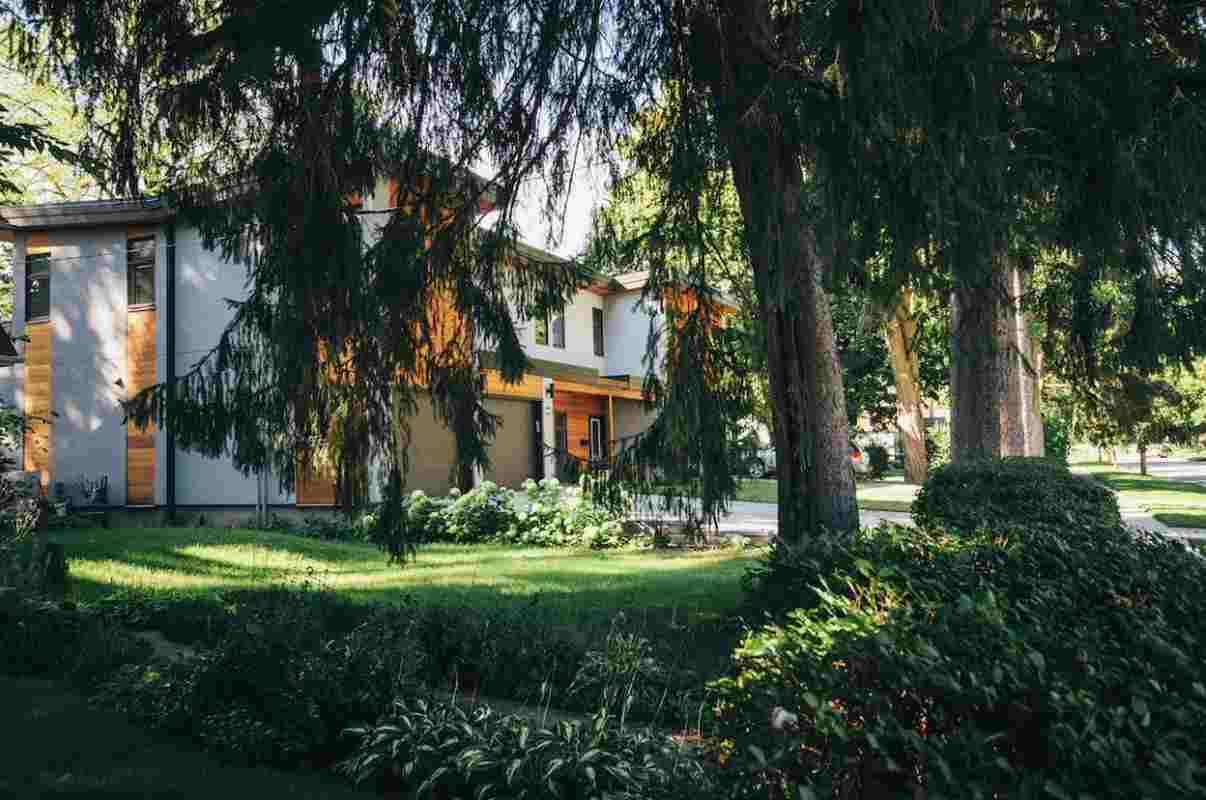
In the pursuit of a flawless compound year-round, one unconventional yet practical option to consider is artificial turf. While natural grass requires regular maintenance, watering, and mowing to keep it in pristine condition, artificial turf offers a low-maintenance alternative that retains its impeccable appearance without the hassle, like NexGen Lawns Artificial Turf. Here are some key advantages of artificial turf:
Consistent Aesthetics: Artificial turf maintains its lush green appearance throughout the year, regardless of the weather conditions. You can enjoy a perfect lawn even during the dry summer months or cold winter days.
Durability: High-quality artificial turf is designed to withstand heavy foot traffic, making it an ideal choice for outdoor games and activities in your backyard.
Low Maintenance: Occasional cleaning and brushing to prevent matting are all that’s required to keep your artificial turf looking great.
Conclusion
Achieving the perfect lawn year-round is a rewarding endeavour that requires dedication, knowledge, and a holistic approach to lawn care. Proper fertilization, watering, mowing, weed and pest control, and seasonal adjustments are essential for creating and maintaining a lush and vibrant lawn. By following these tips and staying attentive to your lawn’s changing needs, you can create an outdoor space that you’re proud of and enjoy throughout the year.
Also, read: 7 Lawn Care How-tos for Your Home