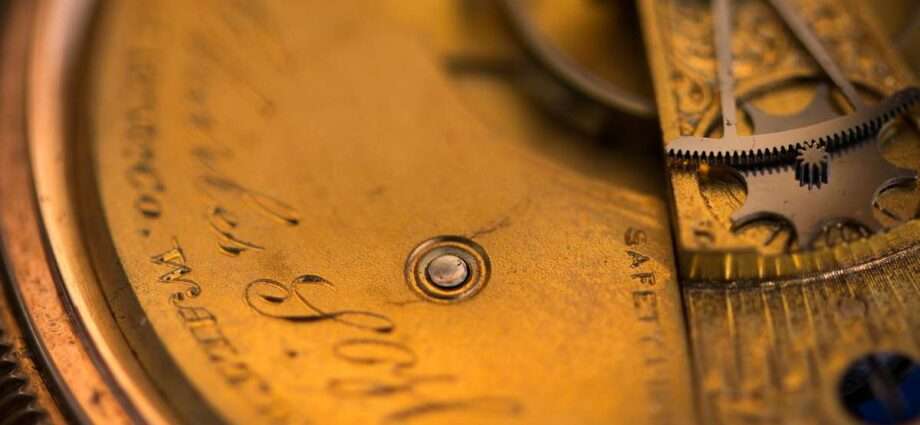
Grandfather clocks have been a symbol of elegance and tradition for centuries. From their intricate designs to their melodic chimes, these majestic timepieces can bring a touch of sophistication to any home. However, to ensure that your grandfather clock stays in perfect working order and retains its beauty for years to come, it’s important to properly maintain it.
This guide will walk you through the steps to caring for your grandfather clock so it can continue to be a treasured heirloom in your family for generations.
Dusting and Cleaning
Dust can quickly accumulate on the intricate detailing of a grandfather clock, dulling its shine and potentially affecting its movement. To prevent this, make sure to regularly dust your clock using a soft, dry cloth. You can also use a gentle cleaner specifically designed for wood to gently wipe down the surfaces of your clock. Avoid using harsh chemicals or abrasives, as these can damage the delicate finish of the wood.
Monitoring the Pendulum and Weights
The pendulum and weights of a grandfather clock are essential components that keep it running smoothly and accurately. Periodically check the pendulum to ensure it is swinging freely and is not obstructed in any way. The weights should be wound properly according to the instructions provided by the manufacturer. Keeping the pendulum and weights in good working order will help your clock maintain its precise timekeeping.
Winding the Grandfather Clock
Most grandfather clocks are powered by a mechanical movement that requires manual winding to keep running. Depending on the type of movement your clock has, you may need to wind it once a week or once a month. Refer to your clock’s instruction manual to determine the appropriate winding schedule. Overwinding can cause damage to the movement, so make sure to wind your clock gently and carefully.
Maintaining Proper Climate Conditions
Wood is a natural material that can be affected by changes in temperature and humidity. To prevent the warping or cracking of the wood on your grandfather clock, make sure to keep it in a room with stable climate conditions.
Avoid placing the clock near heat sources or in direct sunlight, as this can cause the wood to dry out and become damaged. Using a humidifier in the room during dry months can help maintain the ideal humidity level for your clock.
Professional Maintenance
If you notice any issues with your grandfather clock, such as irregular timekeeping or unusual sounds, it’s best to consult a professional clockmaker for repairs. Attempting to fix the clock yourself can cause further damage and may void any warranties. A skilled clockmaker will be able to diagnose and repair any issues with your clock to ensure it continues to run smoothly for years to come. You may also consider grandfather clock annual maintenance to make sure your antique is always in good condition.
A grandfather clock is not just a piece of furniture; it is a timeless work of art that deserves to be cherished and maintained. By following the steps outlined in this guide, you can ensure that your grandfather clock remains a symbol of elegance and tradition in your home.
With regular cleaning, proper maintenance, and occasional professional attention, your clock can continue to be a treasured heirloom that brings beauty and charm to your living space for generations to come.