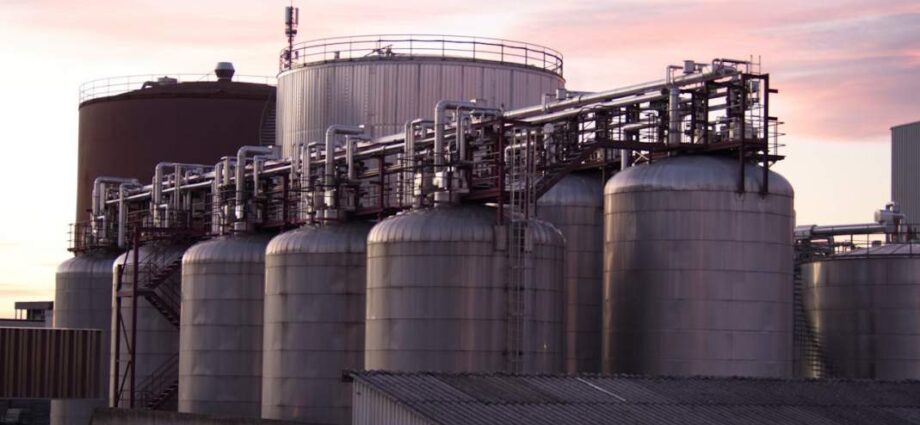
Industrial operations rely heavily on storage tanks to hold various substances, from potable water to hazardous chemicals. Professional tank linings play a critical role in maintaining the integrity of these tanks and protecting the environment. These specialized coatings create a barrier between the tank’s substrate and its contents, preventing corrosion and contamination.
Understanding the specific applications of professional tank linings helps facility managers select the appropriate protection for their assets. While materials like epoxy and polyurethane offer distinct advantages, the specific use case ultimately dictates the choice of lining.
Chemical Storage Tanks
Chemical processing facilities store aggressive acids, alkalis, and solvents that can rapidly corrode unprotected metal or concrete. Tank linings for this sector must offer exceptional chemical resistance to prevent leaks and structural failure. Engineers typically specify high-performance epoxy or vinyl ester linings for these environments due to their ability to withstand harsh chemical attacks.
Proper tank lining selection ensures the purity of the stored chemicals remains uncompromised. A failure in the lining system could lead to costly product loss or dangerous environmental hazards. Regular inspections help identify wear early, ensuring the containment system remains secure.
Water and Wastewater Treatment
Water treatment plants use tank linings to protect concrete and steel tanks from the corrosive effects of water and treatment chemicals. Potable water tanks require linings certified to meet strict safety standards, ensuring the water remains safe for human consumption. These linings must prevent the leaching of harmful substances into the water supply.
Wastewater treatment facilities face different challenges, including exposure to hydrogen sulfide gas and abrasive sludge. Linings in these applications protect the infrastructure from rapid degradation.
Food and Beverage Industry
The food and beverage sector demands tank linings that meet rigorous hygiene and safety regulations. These linings must provide a smooth, non-porous surface that resists bacterial growth and facilitates easy cleaning. FDA-compliant materials are standard requirements for tanks storing ingredients like syrup, oils, or dairy products.
Contamination risks are high in this industry, making the integrity of the tank lining paramount. Facilities benefit from spill containment liners to ensure that potential breaches do not lead to widespread contamination or waste. A well-maintained lining system supports consistent product quality and regulatory compliance.
Oil and Gas Industry
The oil and gas industry utilizes tank linings to protect storage vessels from the corrosive nature of crude oil and refined products. Internal corrosion is a leading cause of tank bottom failure in this sector. Specialized linings protect against the corrosive effects of water and microbial activity often found in the bottom of oil tanks.
These linings also help maintain the purity of refined fuels by preventing rust and scale contamination. Implementing a high-quality lining program reduces maintenance downtime and extends the interval between required tank inspections.
Securing Industrial Assets
Professional tank linings serve as a vital defense for industrial infrastructure across various sectors. By selecting the correct lining system for each specific application, companies protect their assets, ensure safety, and maintain operational efficiency. Investing in high-quality professional installation and maintenance yields long-term benefits through extended equipment life and reduced risk of failure.
Check out: 5 Safety Considerations Every Business Needs to Keep in Mind