Safety should be at the forefront of every business operation; whether you’re managing a small retail shop or a large manufacturing facility, ensuring the well-being of employees, customers, and assets is critical. Ignoring safety protocols can lead to costly accidents, legal repercussions, and reputational damage.
Whatever your industry may be, there are several universal safety considerations every business needs to keep in mind; know what they are and do everything you can to protect your business and your employees.
Emergency Preparedness Training
Emergencies such as fires, natural disasters, or medical crises can occur without warning. Businesses should establish clear emergency response plans and ensure that employees are trained to act quickly and effectively.
Conducting regular fire drills, providing first-aid training, and equipping the workplace with emergency tools such as fire extinguishers and first-aid kits are essential steps. Preparedness not only minimizes risks but also helps employees feel more secure.
Cybersecurity Measures
While physical safety is critical, the digital landscape introduces its own set of risks. Cyberattacks are increasingly common, and businesses must invest in robust cybersecurity measures to safeguard sensitive data.
This includes implementing firewalls, regularly updating software, using strong passwords, and providing employees with training on identifying phishing scams. Establishing protocols for data backups and disaster recovery plans is equally important to ensure business continuity in the event of a cyber incident.
Proper Handling of Hazardous Materials
Hazardous materials come in all shapes and sizes and can show up in just about any industry or business. And because it can take so many forms, it’s critical for businesses to understand what to do in the face of dangerous materials.
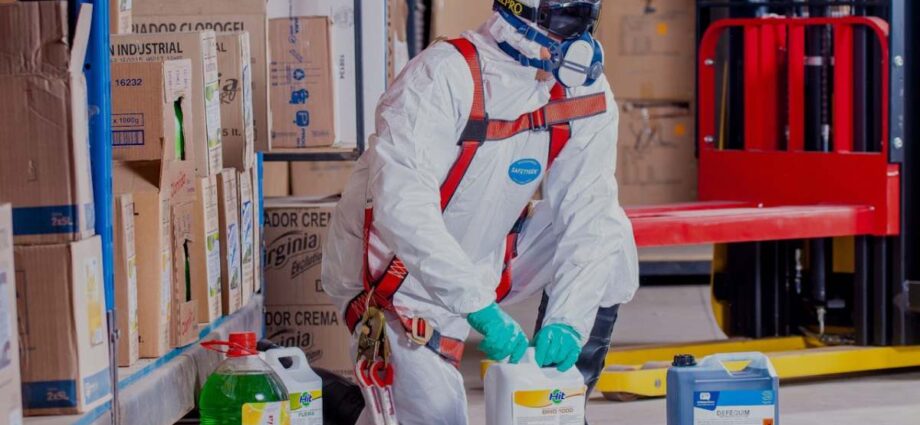
Businesses handling chemicals, flammable substances, or other dangerous materials must comply with all regulatory standards. Employees should be adequately trained in proper storage, usage, and disposal procedures, reducing the risk of spills, contamination, or exposure.
Providing personal protective equipment (PPE) and maintaining detailed Material Safety Data Sheets (MSDS) for all hazardous materials ensures a safer work environment for all. In many cases, it’s best to let a professional hazardous waste disposal company deal with the danger. If you’re ever unsure if a situation is too dangerous for your employes to handle, that’s a sure sign to call in the professionals.
Compliance with Legal and Industry Standards
Meeting safety regulations is not just a moral obligation but also a legal requirement. Businesses should familiarize themselves with local, state, and federal laws governing workplace safety.
For example, compliance with the Occupational Safety and Health Administration (OSHA) standards in the United States is necessary to avoid penalties. Staying updated on changing regulations and conducting regular audits helps ensure compliance while safeguarding employees and assets.
Promoting a Culture of Safety
Creating a safety-conscious workplace begins with leadership. When managers and business owners prioritize safety, it encourages employees to do the same. Open communication about such policies, regular training sessions, and recognizing employees for following protocols can foster a culture where everyone shares responsibility. A proactive approach makes safety an integral part of the workplace ethos, reducing risks significantly over time.
Safety is an ongoing commitment that requires attention to both physical and digital risks. By learning the safety considerations that every business should know, you can protect your people, assets, and reputation while creating a secure and productive environment.