Are you ready to hit the open road and feel the wind in your hair? Motorcycling is an exhilarating way to explore the world around you, but it’s important to start with the right knowledge and tools. Whether you’re a complete beginner or just looking to brush up on your skills, this ultimate guide to motorcycling is for you. From the basics of choosing the right motorcycle to tips and tricks for safe riding, this guide covers everything you need to know as a motorcyclist.
We’ll explore the importance of safety gear and precautions, as well as the best ways to handle different road conditions and weather scenarios. With the help of this guide, you’ll be well on your way to becoming a confident and skilled motorcyclist. So let’s rev up those engines and dive into the world of motorcycling!
Understanding the Types of Motorcycles
Before you hit the road, it’s important to understand the different types of motorcycles that are available. Each type has its own unique features and characteristics, so it’s important to choose the one that’s best suited to your needs.
- Cruisers: Cruisers are designed for long-distance rides and are often the most comfortable option for riders. They have a low seat height and a relaxed riding position, making them a popular choice for beginners.
- Sport Bikes: Sport bikes are designed for speed and agility. They have a more aggressive riding position and are often used for racing or performance riding.
- Touring Bikes: Touring bikes are designed for long-distance rides and are equipped with features like saddlebags, a windshield, and a comfortable seat. They are often used for cross-country trips and are a popular choice for riders who want to explore the country.
- Dual-Sport Bikes: Dual-sport bikes are designed for both on-road and off-road riding. They have a higher seat height and are equipped with features like knobby tires and a sturdy frame to handle rough terrain.
No matter which type of motorcycle you choose, it’s important to take the time to find the one that’s best suited to your needs and experience level.
Safety Gear for Motorcycling
Safety gear is essential for any motorcyclist, especially reflective motorcycle gear, regardless of their skill level or experience. The following are some of the most important pieces of safety gear that you should always wear when riding:
- Helmet: A helmet is the most important piece of safety gear that you can wear. It protects your head in the event of a crash and can mean the difference between life and death. When choosing a helmet, make sure it fits properly and meets safety standards.
- Jacket: A motorcycle jacket is designed to protect your upper body in the event of a crash. Look for a jacket that is made from high-quality materials and has padding on the elbows, shoulders, and back.
- Gloves: Gloves protect your hands from the wind, sun, and road debris. They also provide additional grip on the handlebars, which is essential for safe riding.
- Boots: Motorcycle boots are designed to protect your feet and ankles from injury in the event of a crash. Look for boots that have a sturdy sole and offer good ankle support.
In addition to the above safety gear, you should also consider wearing pants with padding, eye protection, and earplugs to protect your hearing.
Tips for Choosing the Right Motorcycle
Choosing the right motorcycle is an important decision that will impact your riding experience. Here are some tips to help you make the right choice:
Consider Your Experience Level: If you’re a beginner, it’s important to choose a motorcycle that is easy to handle and control. Look for a lower engine displacement and a comfortable riding position.
Consider Your Riding Style: Think about how you plan to use your motorcycle. Will you be commuting to work or taking long-distance trips? Do you plan to ride off-road or stick to the pavement? All of these factors will impact your choice of motorcycle.
Consider Your Budget: Motorcycles can range in price from a few thousand dollars to tens of thousands of dollars. Set a budget and stick to it, but also make sure you’re getting the features and quality you need.
Pre-Ride Safety Checks and Maintenance Tips for Any Motorcyclist
Before each ride, it’s important to perform a pre-ride safety check to ensure that your motorcycle is in good working order. Here are some key areas to check:
- Tires: Check the tire pressure and look for any signs of damage or wear.
- Brakes: Test the brakes to make sure they are working properly.
- Lights: Check that all lights are working, including the headlights, taillights, and turn signals.
- Fluids: Check the oil level and other fluids, such as brake fluid and coolant, to ensure they are at the proper levels.
In addition to performing pre-ride safety checks, it’s also important to perform regular maintenance on your motorcycle. This can include things like changing the oil, replacing the air filter, and checking the chain tension.
Basic Motorcycle Riding Techniques
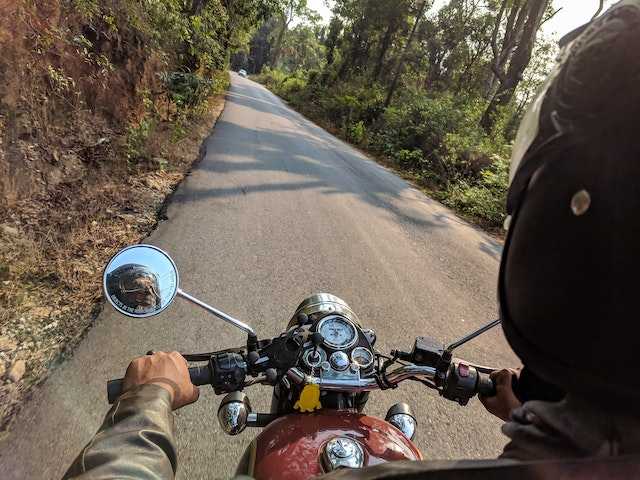
Once you’ve chosen the right motorcycle and taken care of the necessary safety precautions, it’s time to learn some basic riding techniques. Here are some tips to help you get started:
- Mounting and Dismounting: When mounting your motorcycle, stand on the left side and swing your leg over the seat. To dismount, put the kickstand down and swing your leg back over the seat.
- Starting and Stopping: To start your motorcycle, turn the key to the “on” position and press the starter button. To stop, pull in the clutch and apply the brakes.
- Shifting Gears: Use the clutch to shift gears as you accelerate and decelerate.
- Turning: To turn, lean your body in the direction you want to go and use the handlebars to steer.
- Braking: Use both the front and rear brakes to slow down and come to a stop.
With practice and experience, these basic techniques will become second nature.
Advanced Motorcycle Riding Techniques
Once you’ve mastered the basic techniques, you can start to explore more advanced riding techniques. Here are some to consider:
- Countersteering: Countersteering is a technique used to initiate turns at higher speeds. It involves pushing on the handlebar in the opposite direction of the turn.
- Braking in a Turn: Braking in a turn can be tricky, but it’s an important skill to master. Apply the brakes gently and evenly to avoid skidding.
- Swerving: Swerving can be used to avoid obstacles on the road. Lean your body in the direction of the swerve and use the handlebars to steer.
- Riding in a Group: Riding in a group requires additional skills and communication with other riders. Learn the hand signals and practice riding in a group with experienced riders.
Essential Safety Precautions for Motorcycling
In addition to wearing safety gear and performing pre-ride safety checks, there are other safety precautions you should always take when motorcycling. Here are some to keep in mind:
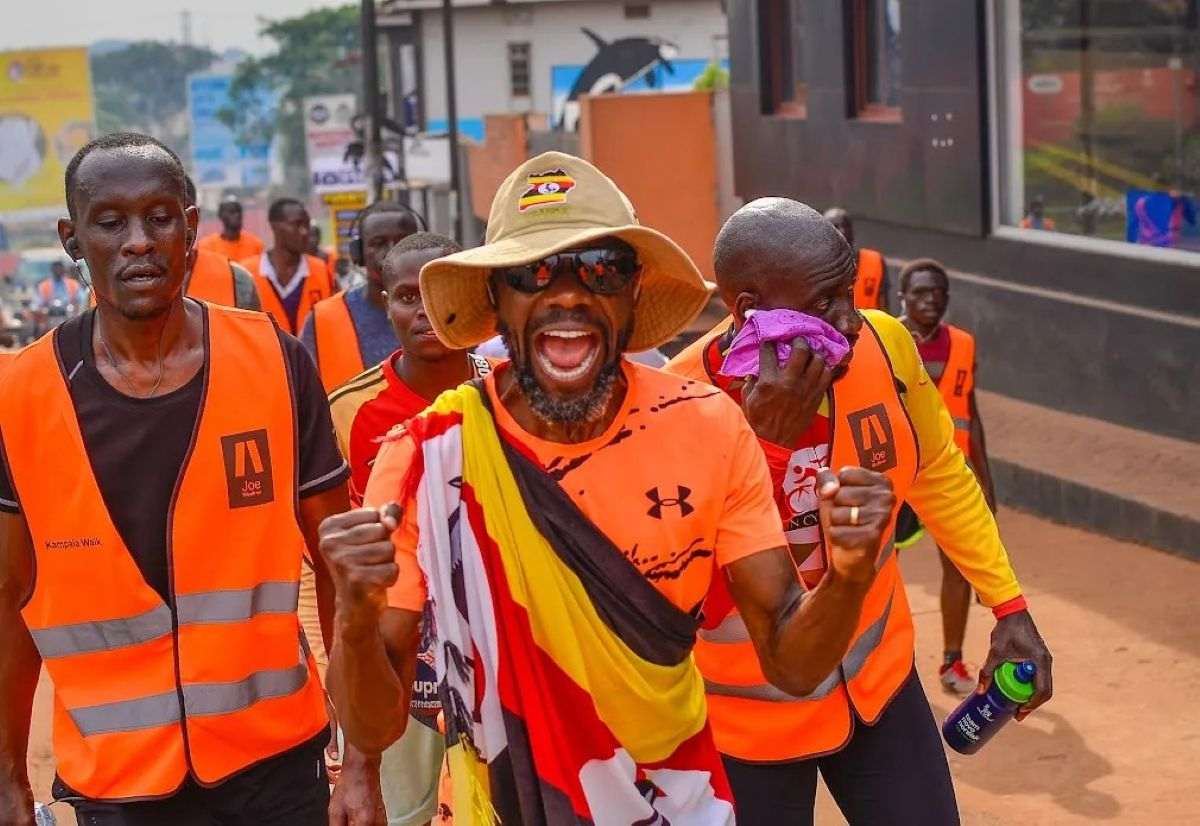
- Be Visible: Use your headlights and wear brightly coloured or reflective clothing to increase your visibility to other drivers.
- Stay Alert: Pay attention to your surroundings and anticipate potential hazards.
- Follow Traffic Laws: Obey traffic laws and signs, and never ride under the influence of drugs or alcohol.
- Stay within Your Limits: Ride at a speed and level of difficulty that is comfortable for you, and always be aware of your limits.
Tips for Long-Distance Motorcycle Rides
Long-distance motorcycle rides can be a great way to explore new places and challenge yourself. Here are some tips to make your next long-distance ride a success:
- Start Early: Start your ride early in the day to avoid traffic and give yourself plenty of time to reach your destination.
- Take Breaks: Take frequent breaks to stretch your legs, hydrate, and rest.
- Pack Light: Pack only the essentials and avoid overloading your motorcycle.
- Plan Your Route: Plan your route in advance and be prepared for unexpected changes or delays.
Conclusion
Motorcycling can be a thrilling and rewarding experience, but it’s important to approach it with the right knowledge and tools. By understanding the different types of motorcycles, wearing the proper safety gear, and following essential safety precautions, you can enjoy the ride with confidence. Remember to always be aware of your surroundings, stay within your limits, and enjoy the journey.
Also, read: Keep Your Motorcycle Problem Free With These 8 Crucial Maintenance Tips