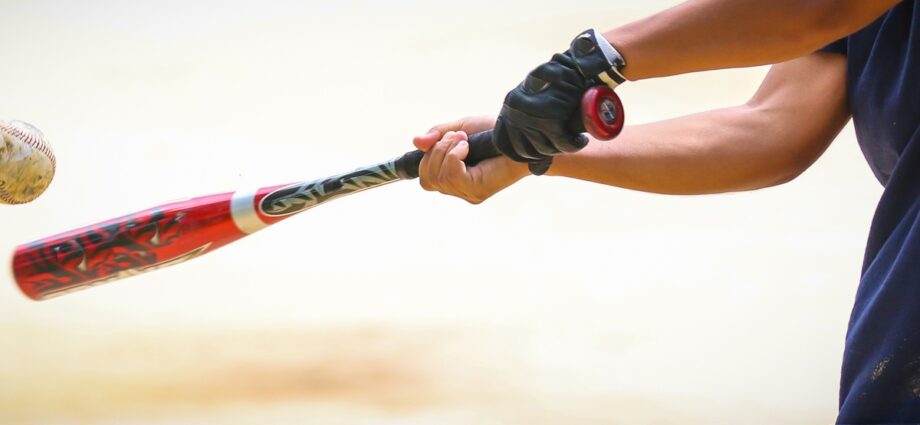
For players who use composite baseball or softball bats, the break-in period can feel like part of the equipment itself. A new composite bat may need repeated contact before the barrel reaches the feel and responsiveness a player expects. That is where rolling enters the conversation.
Rolling uses controlled pressure to flex a composite barrel and accelerate part of the natural break-in process. Keep reading to understand what rolling your bat means and when you should do it.
What Does Rolling a Bat Mean?
Bat rolling involves placing a composite bat between rollers that apply pressure to the barrel. The bat rotates as the rollers apply pressure across different areas of the composite material.
Composite bats contain layered materials and resin systems that respond to repeated impact. During normal use, those materials gradually flex as the bat contacts balls. Rolling attempts to produce some of that flex without requiring the same amount of batting practice.
The process applies mainly to composite barrels. Alloy bats do not rely on the same type of composite break-in, so rolling them does not serve the same purpose.
How Does the Rolling Process Work?
A rolling machine typically uses two or more cylindrical rollers. The barrel sits between them while the operator gradually applies pressure. The operator rotates the bat so the pressure reaches multiple areas around the barrel rather than concentrating on one section. Some services also use controlled heat during the process.
Technique matters because composite bats differ in barrel construction, wall thickness, resin composition, and durability. Applying too much pressure may stress the material. Applying too little may produce little noticeable change.
Why Do Players Roll Composite Bats?
Breaking in a composite bat through normal hitting can take batting-practice sessions and repeated barrel rotation. Players who want a bat to feel closer to its broken-in state without spending as much time on that process may consider rolling.
Even barrel conditioning can also appeal to players who frequently make contact on the same section of the bat. During a traditional break-in period, rotating the barrel between swings helps distribute impacts across different areas. Rolling attempts to distribute mechanical pressure in a similar way.
Players should keep their expectations realistic. Rolling does not turn every bat into a dramatically stronger piece of equipment, and results can vary by model.
Does Rolling a Bat Affect Durability?
Durability creates one of the biggest debates around the practice. One of the key concerns for many players is that bat rolling can diminish its durability. However, some propose that rolling can improve a bat’s long-term barrel condition.
Applying pressure to composite material changes how the barrel flexes, which makes it reasonable to question whether the process shortens the bat’s usable life. The answer depends partly on the bat, the application of pressure, and the quality of the process.
Too much compression can place unnecessary stress on a barrel. Poor technique may also create uneven areas instead of producing a balanced break-in.
At the same time, some specialists argue that controlled, even compression can reduce the uneven wear that develops when players repeatedly hit one section of a new composite barrel. Players should treat durability claims carefully. Composite bats vary greatly, and no single outcome applies to every model.
When Should You Consider Rolling a Bat?
Now that we know what rolling a bat means, when should you do it? Rolling may make sense in certain situations, especially when you’ll use the bat somewhere that permits the practice.
When You Have a New Composite Bat
A new composite bat may require a break-in period before it reaches its expected feel. Players who do not have time for several batting-practice sessions may consider controlled rolling as an alternative way to begin that process.
When You Want More Even Barrel Break-In
Some hitters naturally strike the ball on a preferred side of the barrel. That creates uneven use unless they deliberately rotate the bat during practice. Rolling distributes pressure around the barrel, which can help create a more uniform break-in.
When the Bat Is for Home Run Derby or Recreational Use
A home run derby, exhibition, training environment, or recreational setting may have different equipment rules from organized league play. In those settings, players may have more freedom to decide how they prepare their equipment. Rules can still vary, so checking first remains worthwhile.
When Should You Avoid Rolling a Bat?
There are situations where leaving the bat untouched makes more sense.
When Your League Prohibits Altered Bats
This consideration should come first. Many organized baseball and softball bodies regulate bat construction and certification closely. Rules may prohibit equipment that has been altered after manufacture, even when the bat still carries a certification stamp.
A bat can meet a certification standard when manufactured yet become ineligible if a league considers subsequent modification an alteration.
When the Bat Is Already Well Broken In
Rolling an older composite bat may provide little benefit. If the barrel already feels fully broken in, adding more compression can introduce unnecessary stress.
When the Barrel Shows Damage
Do not treat rolling as a repair method. Visible cracks, soft spots, rattling, separation, or other structural concerns require a different response. Continuing to compress a damaged bat could make the condition worse.
How to Break in a Composite Bat Without Rolling
Players who want to keep their bat in factory condition can use a conventional break-in process. Start with controlled swings rather than maximum-effort hitting. Rotate the barrel slightly after each contact so different areas receive impact. As the bat begins to loosen, gradually increase swing intensity.
Follow the manufacturer’s instructions whenever they provide a specific break-in procedure. Those recommendations may identify suitable balls, temperatures, swing counts, or other conditions for that model.
What To Check Before Deciding
Before choosing bat rolling, answer some practical questions. First, does the bat need a break-in period? Composite designs vary, and some arrive closer to game-ready condition than others. Second, will you use the bat in an organization that restricts modified equipment? Rules should shape the decision before performance considerations do.
Finally, what condition is the barrel in right now? A new, structurally sound bat presents a different situation from one that already has substantial use.
The Bottom Line
Rolling a bat is essentially an accelerated approach to flexing and breaking in a composite barrel. When performed carefully, it can help distribute break-in around the barrel and reduce the time a player spends reaching a more developed feel. That does not make it the right choice for every bat or every player.
Competition rules, warranty terms, barrel condition, and intended use all matter. Players who compete in organized leagues should verify equipment regulations before modifying a bat.
Understanding the process first makes the decision much easier. A bat is still a piece of engineered equipment, and the best preparation method is the one that suits both the bat’s construction and the environment you’ll use it in.
Also, read: 6 Sure Ways to Step Up Your Baseball Training