Modern aviation relies heavily on rigorous and detailed maintenance practices to ensure the safety and efficiency of aircraft operations. As aviation technology advances, so do the complexities and requirements of maintaining these sophisticated machines. The role of aviation maintenance is crucial in preventing mechanical failures, enhancing performance, and complying with stringent regulatory standards.
This article dives deep into the essential aspects of aircraft maintenance, highlighting the critical procedures and technologies that keep modern aviation running smoothly. Understanding these maintenance practices sheds light on the meticulous efforts behind every successful flight.
Routine Inspections
Routine inspections are a cornerstone of modern aviation maintenance, ensuring that every component of the aircraft is in optimal condition. These inspections are carried out at regular intervals, including pre-flight, post-flight, and periodic checks, to identify any wear and tear or potential issues. Technicians follow detailed checklists to examine the aircraft’s structural integrity, avionics, engines, and other critical systems.
Advanced diagnostic tools and techniques are employed to detect even the smallest anomalies, ensuring that any problems are addressed before they can escalate. The rigorous nature of these inspections is vital for maintaining the highest safety standards in aviation.
Engine Maintenance
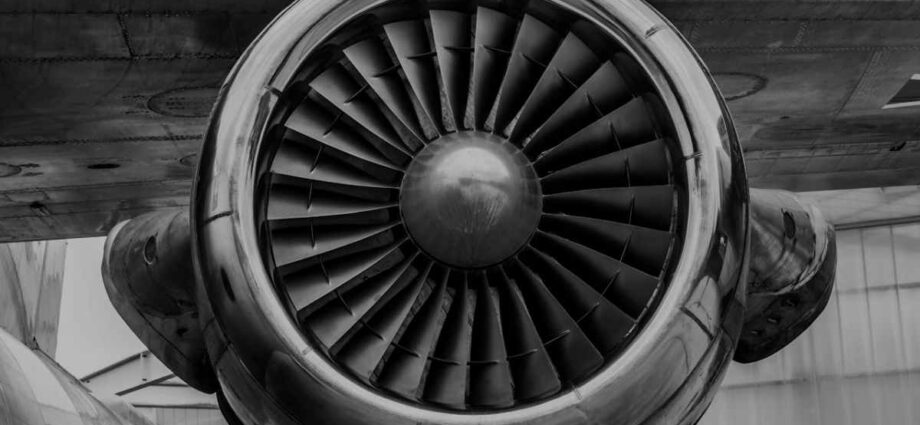
Engine maintenance is one of the most critical aspects of aircraft upkeep, given the engine’s central role in flight safety and performance. Maintenance procedures for engines include routine inspections, performance monitoring, and overhauls. Technicians use sophisticated equipment to analyze engine performance data, checking for signs of wear, contamination, or mechanical issues.
Regular oil changes, filter replacements, and component inspections are necessary to keep the engine running smoothly and efficiently. Engine overhauls, performed after a certain number of flight hours, involve disassembling the engine, inspecting each part, and replacing worn or damaged components to ensure peak performance.
Avionics Systems
The avionics systems, which include navigation, communication, and control systems, are integral to modern aircraft operations. Maintenance of these systems involves regular software updates, hardware inspections, and functionality tests. Technicians must ensure that all electronic components are free from faults and that software systems are up to date and functioning correctly.
Any discrepancies in the avionics systems can lead to significant safety risks, making meticulous maintenance crucial. Advanced diagnostic tools are used to monitor and troubleshoot these systems, ensuring reliability and accuracy in flight operations.
Structural Maintenance
Structural maintenance focuses on the physical integrity of the aircraft, addressing any issues related to the airframe and other structural components. This type of maintenance includes inspecting for cracks, corrosion, and other forms of structural damage that could compromise the aircraft’s safety.
Techniques such as non-destructive testing (NDT) are employed to detect hidden flaws without damaging the components. Regular maintenance and repairs are carried out to reinforce the structure, ensuring it can withstand the stresses of flight. Maintaining the structural integrity of the aircraft is essential for both safety and longevity.
Landing Gear Maintenance
Landing gear maintenance is crucial for the safe takeoff, landing, and ground operations of the aircraft. This involves regular inspections and servicing of the landing gear components, including tyres, brakes, struts, and hydraulic systems. Technicians check for wear and tear, proper alignment, and hydraulic fluid levels, ensuring that the landing gear operates smoothly and reliably.
Any issues with the landing gear can lead to serious accidents, making its maintenance a top priority. Proper lubrication, timely replacements, and adjustments are performed to maintain the landing gear’s functionality and safety.
Cabin Maintenance
Cabin maintenance focuses on the comfort and safety of passengers during flight. This includes inspecting and servicing the seating, lighting, emergency equipment, and in-flight entertainment systems. Technicians ensure that all cabin components are in good working order, clean, and meet safety standards.
Emergency equipment such as oxygen masks, life vests, and fire extinguishers are regularly checked and serviced. Maintaining the cabin not only enhances the passenger experience but also ensures compliance with safety regulations.

Fuel System Maintenance
The fuel system is a critical component of the aircraft, and its maintenance involves ensuring the proper storage, flow, and delivery of fuel. Technicians conduct regular inspections of fuel tanks, pumps, filters, and lines to detect and address any leaks, blockages, or contamination.
Proper maintenance of the fuel system is essential to prevent in-flight engine failures and to ensure efficient fuel consumption. Advanced diagnostic tools are used to monitor the fuel system’s performance and to conduct pressure tests. Regular maintenance of the fuel system is vital for the safety and efficiency of flight operations.
Environmental Control Systems
Environmental control systems (ECS) maintain the air quality, temperature, and pressure inside the aircraft cabin. Maintenance of the ECS involves inspecting and servicing components such as air conditioning units, pressurization systems, and oxygen delivery systems.
Technicians ensure that these systems are free from leaks, contamination, and mechanical issues. Proper maintenance of the ECS is essential for passenger comfort and safety, especially during long flights and at high altitudes. Regular testing and servicing of the ECS components help maintain a stable and comfortable cabin environment.
Ground Support Equipment Maintenance
Ground support equipment maintenance is crucial for ensuring the reliability and efficiency of aviation operations. Regular upkeep of equipment, such as tugs, refuelers, and baggage loaders, helps prevent malfunctions and extend their lifespan. The use of advanced maintenance products like ACF-50, which provide superior corrosion protection, can be particularly beneficial in preserving equipment performance.
By implementing a proactive maintenance strategy and utilizing high-quality solutions, ground support teams can effectively manage their assets and maintain operational readiness. Thorough maintenance practices are essential for sustaining the integrity and efficiency of modern aviation ground support systems.
Compliance with Regulations
Aviation maintenance must comply with stringent regulations set by aviation authorities such as the Federal Aviation Administration (FAA) and the European Union Aviation Safety Agency (EASA). These regulations cover all aspects of aircraft maintenance, from routine inspections to major overhauls, ensuring the highest standards of safety and reliability.
Technicians must be well-versed in these regulations and follow strict procedures to ensure compliance. Regular audits and inspections by aviation authorities help ensure that maintenance practices meet regulatory standards. Compliance with regulations is essential for maintaining the safety and trustworthiness of the aviation industry.
Conclusion
The maintenance of modern aircraft is a complex and meticulous process that ensures the safety, efficiency, and reliability of air travel. From routine inspections and engine maintenance to avionics systems and structural integrity, each aspect of aircraft maintenance plays a crucial role. The dedication and expertise of aviation technicians, coupled with advanced diagnostic tools and adherence to stringent regulations, keep the aviation industry operating smoothly.
Understanding the essential maintenance practices provides insight into the rigorous efforts behind every safe and successful flight. As aviation technology continues to evolve, the importance of thorough and effective maintenance will remain a cornerstone of the industry.
Also, read: 5 Important Tasks Ground Crew Staff Need to Check Upon Arrivals