Rail transportation is an essential part of the global economy, moving goods and materials rapidly and efficiently across the country. But have you ever stopped to consider the vital role railcars play in this industry? These massive vehicles transport everything from grain and coal to cars and chemicals across vast distances. However, like any other machine, railcars require maintenance and upkeep to keep them running smoothly. In this post, we’ll be exploring the different types of railcars and their maintenance needs.
Types of Railcars
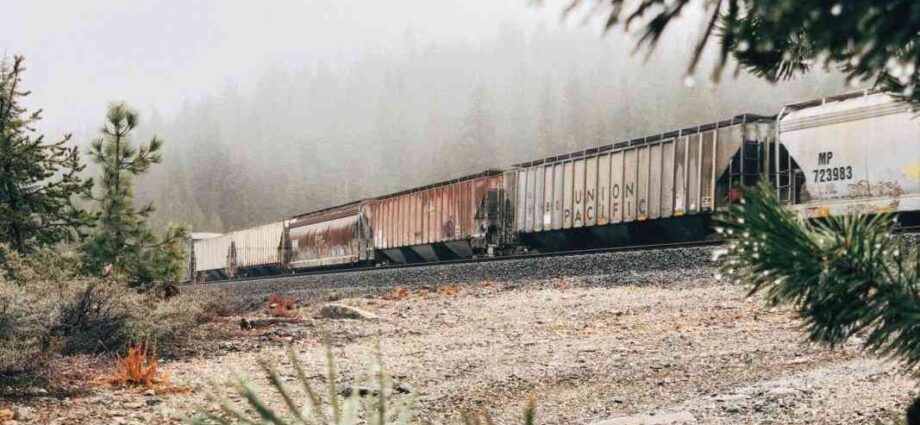
Railcars come in various shapes and sizes, designed to carry different types of cargo. Tank cars are used to transport a variety of liquids such as oil, chemicals, and even wine. Coal hopper cars carry coal and other solid materials used in energy production. Boxcars are enclosed and used to carry packaged goods and merchandise, while flat cars are used to transport heavier and bulkier items such as machinery, vehicles, and large construction materials.
Maintenance of Railcars
It’s essential to maintain railcars to ensure safe and reliable operation. Maintenance begins with inspections that identify any damage or wear and tear. Regular cleaning is also essential to prevent damage to the cargo and railcar interior.
Repairs can range from minor fixes to replacing the entire car, depending on the extent of the damage. Production companies, like McKenzie Valve and Machining LLC, work with mechanics to get parts for each car and repair them to ensure they are in good condition for long travel.
Cleaning and Maintenance of Tank Cars
Cleaning tank cars need special attention and more in-depth scrutiny than other types of railcars. These cars require thorough cleaning to ensure that they are free of residual contents before loading with new cargo. Some chemicals need specific treatments to remove residual materials thoroughly. It’s essential to control the waste generated during cleaning and ensure it’s disposed of following the relevant regulations.
Importance of Routine Maintenance
Routine maintenance is essential in prolonging the lifespan of railcars. A well-maintained railcar operates efficiently, saves money on repairs, and serves safely and dependably. Maintenance schedules can be predicted based on the specific type of railcar and its age. During such maintenance, all components will be inspected, lubricated, and replaced where necessary.
Expertise in Maintenance
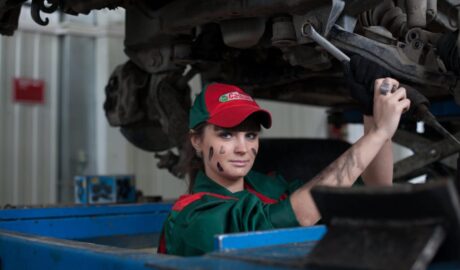
Railcar maintenance is a specialized profession that requires specific skills and expertise. Mechanisms and technologies used for railcar maintenance have far-reaching effects on operational efficiency, safety, and environmental responsibility. As such, the industry requires experienced and skilled professionals who have the knowledge needed to maintain and adhere to industry standards.
In conclusion, the various types of railcars are essential for the transportation of cargo across the country. Whether you are transporting liquids, coal, or vehicles, there is a specific type of railcar for each purpose. It’s essential to keep them in good working order, adhere to specific maintenance schedules, and address any necessary repairs.
The maintenance of railcars is essential for the safety and reliability of the railroad industry. With specialized skills and expertise, their maintenance can keep them running smoothly, saving money, and ensuring the safe transport of goods.
Also, read: Everything You Need to Know About Winch Truck Services