Understanding different types of tents is essential for choosing the right shelter for various outdoor adventures. Tents come in diverse styles, each tailored to specific needs and conditions. Familiarizing yourself with the different designs allows you to select the most suitable option based on factors like weather, capacity, weight, and ease of setup. This piece will explore different tent varieties, analyzing their distinct features and individual strengths. Dome Tents Renowned for their versatility, Dome tents come in varying sizes suitable for solo campers or larger groups. The design's stability is enhanced by its ability to evenly distribute stress across its structure, ensuring a balanced load-bearing capacity. Many dome tents incorporate features such as vestibules for gear storage, multiple doors for convenient access, and ventilation options, providing airflow during warm weather while maintaining warmth in cooler conditions. Their adaptable nature and efficient use of space make them a popular choice for backpacking, camping trips, festivals, and expeditions where durability and ease of setup are paramount. Additionally, advancements in materials and innovative designs have led to lighter yet durable dome tent models, catering to backpackers and adventurers seeking lightweight gear without compromising on reliability. Cabin Tents Cabin tents are recognized for their generous space, featuring larger dimensions and vertical walls that maximize headroom, making them an ideal choice for accommodating groups or families during camping trips. These tents prioritize comfort and roominess, offering ample space for sleeping arrangements and storage of camping gear. Their design, characterized by near-vertical walls, creates a homely atmosphere and allows campers to move around more freely inside the tent. They are particularly favoured for car camping due to their size and weight, providing a comfortable and spacious shelter for recreational camping experiences. However, while they excel in providing comfort and roominess, cabin tents may not be as suitable for extreme weather conditions or high winds compared to more aerodynamic tent types like dome or geodesic tents. Backpacking Tents These are specifically engineered to cater to the needs of backpackers and hikers, prioritizing portability and efficiency without sacrificing durability or weather resistance. These tents are meticulously designed to be lightweight and compact, making them easily portable for outdoor enthusiasts carrying their gear over extended distances. To achieve this, manufacturers use lightweight yet durable materials and streamlined designs that optimize space while minimizing weight. Despite their lightweight nature, they are engineered to withstand various weather conditions, offering adequate protection against rain, wind, and other elements encountered during outdoor adventures. Backpacking tents typically feature easy setup processes, ensuring convenience for solo travellers or small groups seeking a shelter solution that offers both portability and reliable protection in diverse outdoor environments. Rooftop Tents Rooftop tents are gaining popularity among outdoor enthusiasts for their innovative design that mounts onto vehicles, providing an elevated and secure sleeping area. These tents offer a convenient and comfortable solution for camping during off-road adventures. By being perched atop vehicles, they allow campers to set up their sleeping quarters quickly and effortlessly, ensuring convenience and ease, especially in remote or uneven terrain where traditional tent pitching might be challenging. Moreover, they also offer protection from ground elements such as insects, dampness, and animals, ensuring a more comfortable and secure camping experience. Overland rooftop tents cater to the needs of adventurers seeking a convenient and elevated shelter solution while exploring off-road terrains, providing a unique and adaptable camping experience. Tunnel Tents They are renowned for their distinctive tunnel-shaped design, which strikes a balance between ample space and excellent stability. Their unique structure offers generous headroom throughout the central area, allowing occupants to move comfortably inside. Moreover, these tents are designed with exceptional wind resistance, ensuring suitability for camping in diverse weather conditions. The arched design efficiently diverts wind, enhancing stability and preventing undue stress on the tent fabric during gusty conditions. Tunnel tents are favoured by campers seeking a spacious interior, good headspace, and reliable stability, making them a versatile and practical choice for camping adventures in diverse environments and weather conditions. Choosing the Right Tent Consider the tent's suitability for the seasons you intend to camp in, whether it's for fair weather in spring and summer or more extreme conditions in fall or winter. Weight plays a crucial role, particularly if you'll be carrying the tent while hiking; lighter tents offer better mobility but might sacrifice space or sturdiness. Evaluate the ease of setup, ensuring it aligns with your experience level and preferences. Explore additional features like vestibules, storage pockets, ventilation, rainflies, or footprints to enhance comfort and functionality. Understanding these factors and how they match your camping requirements will assist in selecting a tent that meets your needs, ensuring a satisfying outdoor experience. Conclusion When choosing the right tent, a thorough assessment of your individual needs is paramount. Consider the type that best suits your planned activities and the environment you'll encounter. Evaluating the tent's features in line with your preferences ensures a more tailored selection. Understanding the distinctions and designated purposes empowers you to make a knowledgeable decision, ensuring a suitable and fulfilling shelter for your upcoming outdoor adventures. Also, read: 6 Storage Essentials for Camping in The Wilderness - Newslibre

Exploring the Different Types of Tents and How to Choose the Right One

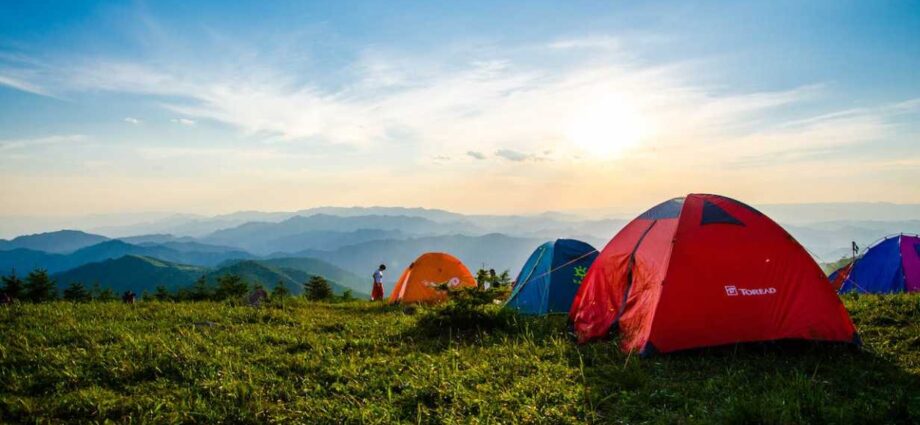
Understanding different types of tents is essential for choosing the right shelter for various outdoor adventures. Tents come in diverse styles, each tailored to specific needs and conditions. Familiarizing yourself with the different designs allows you to select the most suitable option based on factors like weather, capacity, weight, and ease of setup. This piece will explore different tent varieties, analyzing their distinct features and individual strengths.

Dome Tents

Renowned for their versatility, Dome tents come in varying sizes suitable for solo campers or larger groups. The design’s stability is enhanced by its ability to evenly distribute stress across its structure, ensuring a balanced load-bearing capacity. Many dome tents incorporate features such as vestibules for gear storage, multiple doors for convenient access, and ventilation options, providing airflow during warm weather while maintaining warmth in cooler conditions.

Their adaptable nature and efficient use of space make them a popular choice for backpacking, camping trips, festivals, and expeditions where durability and ease of setup are paramount. Additionally, advancements in materials and innovative designs have led to lighter yet durable dome tent models, catering to backpackers and adventurers seeking lightweight gear without compromising on reliability.

Cabin Tents

Cabin tents are recognized for their generous space, featuring larger dimensions and vertical walls that maximize headroom, making them an ideal choice for accommodating groups or families during camping trips. These tents prioritize comfort and roominess, offering ample space for sleeping arrangements and storage of camping gear. Their design, characterized by near-vertical walls, creates a homely atmosphere and allows campers to move around more freely inside the tent.

They are particularly favoured for car camping due to their size and weight, providing a comfortable and spacious shelter for recreational camping experiences. However, while they excel in providing comfort and roominess, cabin tents may not be as suitable for extreme weather conditions or high winds compared to more aerodynamic tent types like dome or geodesic tents.

Backpacking Tents

These are specifically engineered to cater to the needs of backpackers and hikers, prioritizing portability and efficiency without sacrificing durability or weather resistance. These tents are meticulously designed to be lightweight and compact, making them easily portable for outdoor enthusiasts carrying their gear over extended distances. To achieve this, manufacturers use lightweight yet durable materials and streamlined designs that optimize space while minimizing weight.

Despite their lightweight nature, they are engineered to withstand various weather conditions, offering adequate protection against rain, wind, and other elements encountered during outdoor adventures. Backpacking tents typically feature easy setup processes, ensuring convenience for solo travellers or small groups seeking a shelter solution that offers both portability and reliable protection in diverse outdoor environments.

Rooftop Tents

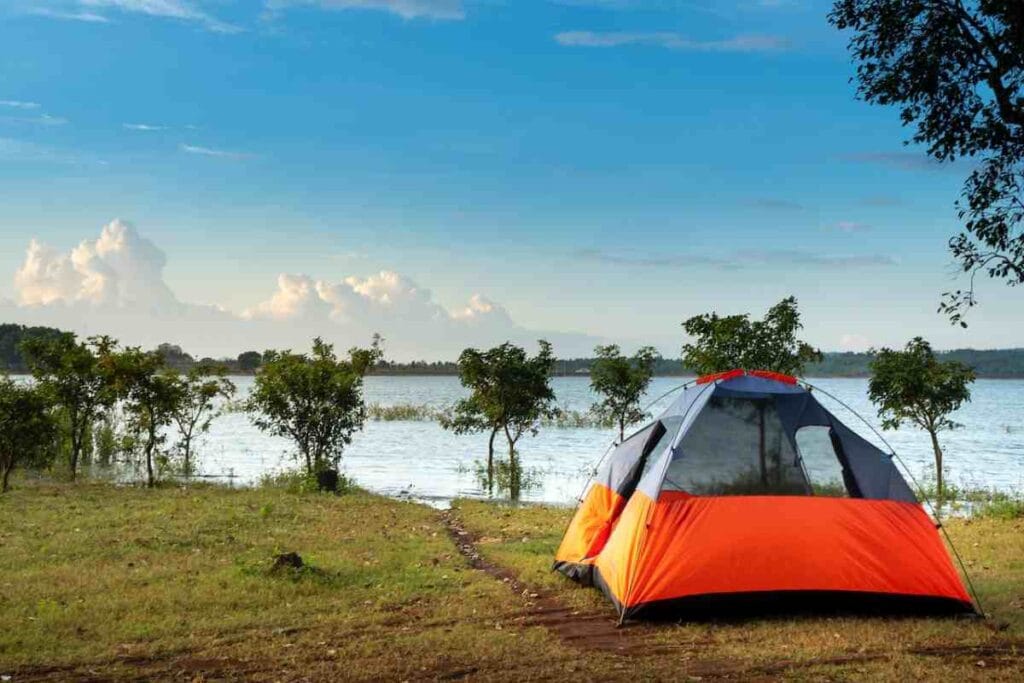
5 Items You Will Need When Camping Near A Lake - Newslibre
Photo by Quang Nguyen Vinh/Pexels

Rooftop tents are gaining popularity among outdoor enthusiasts for their innovative design that mounts onto vehicles, providing an elevated and secure sleeping area. These tents offer a convenient and comfortable solution for camping during off-road adventures. By being perched atop vehicles, they allow campers to set up their sleeping quarters quickly and effortlessly, ensuring convenience and ease, especially in remote or uneven terrain where traditional tent pitching might be challenging.

Moreover, they also offer protection from ground elements such as insects, dampness, and animals, ensuring a more comfortable and secure camping experience. Overland rooftop tents cater to the needs of adventurers seeking a convenient and elevated shelter solution while exploring off-road terrains, providing a unique and adaptable camping experience.

Tunnel Tents

They are renowned for their distinctive tunnel-shaped design, which strikes a balance between ample space and excellent stability. Their unique structure offers generous headroom throughout the central area, allowing occupants to move comfortably inside. Moreover, these tents are designed with exceptional wind resistance, ensuring suitability for camping in diverse weather conditions.

The arched design efficiently diverts wind, enhancing stability and preventing undue stress on the tent fabric during gusty conditions. Tunnel tents are favoured by campers seeking a spacious interior, good headspace, and reliable stability, making them a versatile and practical choice for camping adventures in diverse environments and weather conditions.

Choosing the Right Tent

  • Consider the tent’s suitability for the seasons you intend to camp in, whether it’s for fair weather in spring and summer or more extreme conditions in fall or winter.
  • Weight plays a crucial role, particularly if you’ll be carrying the tent while hiking; lighter tents offer better mobility but might sacrifice space or sturdiness.
  • Evaluate the ease of setup, ensuring it aligns with your experience level and preferences.
  • Explore additional features like vestibules, storage pockets, ventilation, rainflies, or footprints to enhance comfort and functionality.

Understanding these factors and how they match your camping requirements will assist in selecting a tent that meets your needs, ensuring a satisfying outdoor experience.

Conclusion

When choosing the right tent, a thorough assessment of your individual needs is paramount. Consider the type that best suits your planned activities and the environment you’ll encounter. Evaluating the tent’s features in line with your preferences ensures a more tailored selection. Understanding the distinctions and designated purposes empowers you to make a knowledgeable decision, ensuring a suitable and fulfilling shelter for your upcoming outdoor adventures.

Also, read: 6 Storage Essentials for Camping in The Wilderness

1Shares

Leave a Reply

Your email address will not be published. Required fields are marked *