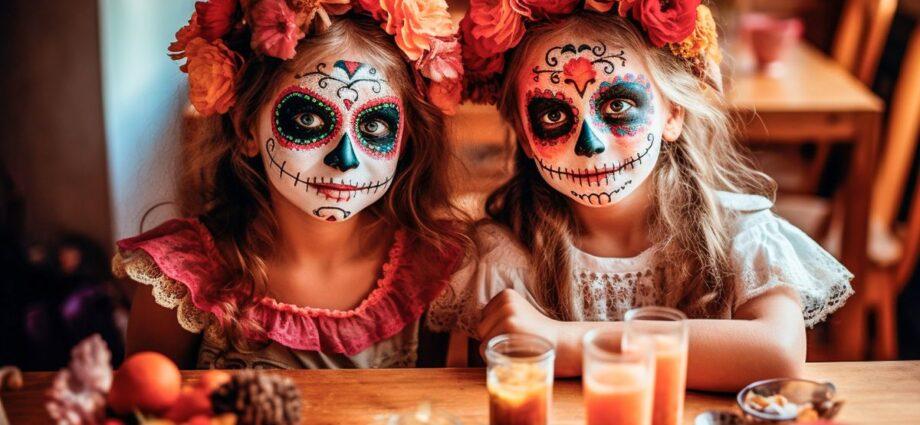
Dia de Los Muertos, or the Day of the Dead, is a colourful Mexican holiday celebrated with joyful festivities. This unique tradition, which takes place from October 31 to November 2, is a time for families to come together, remember those who have passed away, and celebrate the cycle of life.
Teaching kids about these traditions will help them better understand the world and gain an empathetic approach to cultural differences. These five facts about Dia de Los Muertos for kids will capture their imaginations and interest in learning more.
Edible Sugar Skulls (Calaveritas)
Sugar skulls, or calaveritas, are delicious, colourful treats associated with Dia de Los Muertos. These skull-shaped candies are made from sugar, water, and sometimes even chocolate. Kids can spend hours decorating their own sugar skulls with icing, sequins, and bright colours. They symbolize the sweetness of life and loved ones who have passed away.
Altars (Ofrendas)
One of the most captivating aspects of Dia de Los Muertos is the creation of ofrendas, or altars, dedicated to the deceased. Families build these altars in their homes, in schools, and even in cemeteries. The altars shine with marigold flowers, candles, sugar skulls, and the favourite foods and belongings of the departed. Building an altar is one of the best ways to celebrate Dia de Los Muertos in a classroom.
Marigolds (Cempasúchil)
Marigolds, known as cempasúchil in Spanish, are vital in Dia de Los Muertos celebrations. Their vibrant orange and yellow tones are the lights that guide spirits to their ofrendas. Kids can plant marigolds in their gardens or create paper marigold crafts to decorate their homes or the classroom. These are both wonderful ways to connect with the beauty and symbolism of this special holiday.
The Skeleton Lady (La Catrina)
La Catrina, a beautifully dressed skeleton lady, is an iconic symbol of Dia de Los Muertos. She represents the idea that death is a natural part of life and that we should embrace it with elegance and grace. Kids can get creative by making their own Catrina masks or drawings, celebrating the idea that even in death, there is beauty.
Visiting Cemeteries
On November 1 and 2, families visit the gravesites of their loved ones, often spending the entire day and night there. They clean and decorate the graves, share stories, and enjoy picnics in the cemetery. This fact about Dia de Los Muertos will help children understand the importance of honouring and remembering those who came before us, promoting a sense of connection to their families’ histories.
Dia de Los Muertos is a vibrant, meaningful celebration that represents the beauty of life, the importance of family, and the significance of remembering ancestors. Learning about these traditions will help kids gain a deeper appreciation for the rich culture of Mexico and the universal themes of love and remembrance.
Also, read: Do You Know the History of Black Friday and Cyber Monday?