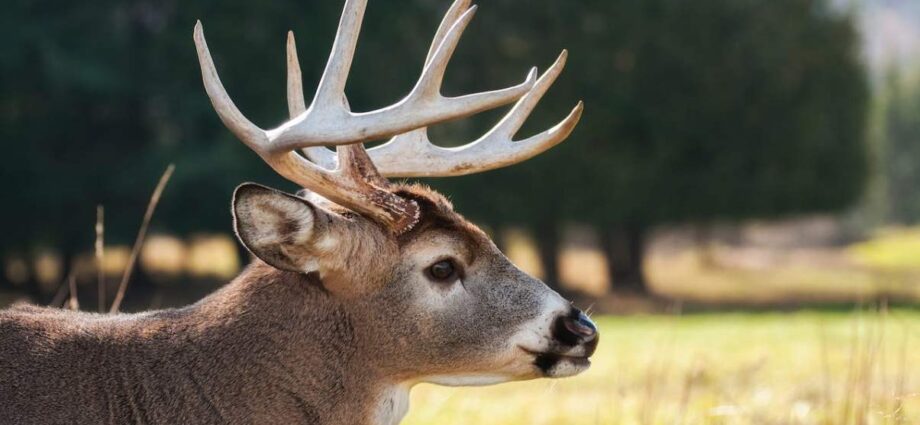
Attracting deer to a property is gratifying, necessitating meticulous planning and an understanding of their behaviours and requirements. Regardless of identification as a wildlife enthusiast or a hunter, establishing an environment that encourages deer visits entails a multi-faceted methodology. Today’s piece shares diverse strategies, encompassing habitat enhancement and scent management, ensuring a thorough and practical approach to attracting deer.
Understanding the intricacies of deer behaviour and preferences is foundational to any successful attraction strategy. By delving into the specific needs of the local deer species, one can tailor efforts to align with their instincts and tendencies. This guide equips individuals with the knowledge to transform a property into an inviting haven for deer, fostering a connection between the environment and these graceful creatures.
The exploration of each section will unveil insights into creating an environment that not only meets the practical needs of deer but also provides the observer with the joy of witnessing and coexisting with these animals harmoniously.
Identify Local Deer Species
Commencing the process involves an intricate familiarity with the deer species inhabiting the region. Understanding their behaviour, dietary preferences, and habitat requirements stands as a crucial element for tailoring attraction efforts. Distinguishing features and habits unique to white-tailed deer or mule deer, for instance, significantly influence the strategy deployed to create an appealing environment. White-tailed deer, known for their adaptability, thrive in diverse environments, while mule deer, with a preference for more arid regions, require a different approach in catering to their habitat requirements.
Identifying local deer species guides the creation of a customized environment that aligns with their specific needs. Differentiating factors such as feeding habits, preferred vegetation, and interaction patterns contribute to formulating an attraction strategy that resonates with the ecological demands of each species. This delicate approach ensures that the environment is attractive and sustains a harmonious relationship with the diverse deer population inhabiting the region.
Provide a Nutrient-rich Diet
Planting a diverse array of native grasses and legumes helps ensure that deer have a nutritious diet at all times. This strategic approach creates a sustainable year-round food source, fostering the health and vitality of the deer population. Supplemental feeding further enhances this strategy, with well-placed feeders stocked with grains and minerals providing essential nutrients, especially during harsh winter conditions.
Implementing a well-rounded, nutrient-rich diet benefits the individual health of the animals and contributes significantly to the overall well-being of the entire population. This dietary richness plays a pivotal role in promoting robust antler growth, a crucial aspect of the vitality of deer populations.
Additionally, the provision of essential nutrients supports optimal fawn development, contributing to the long-term sustainability of the deer community. In summary, carefully considering and implementing a comprehensive, nutrient-rich diet strategy contributes to a thriving habitat and a harmonious coexistence between humans and wildlife.
Create an Ideal Habitat
Developing an ideal habitat begins with meticulous planning that incorporates bedding areas with tall grasses covering crops and maintaining a balance of open spaces and dense cover. The goal is to mimic the natural environment, attracting deer seeking secure resting places, ample foraging opportunities, and easily accessible water sources. This approach not only enhances the property’s appeal but also provides a sanctuary that meets the diverse needs of deer, fostering a harmonious coexistence.
By considering the specific requirements of the local species, the habitat becomes a tailored environment that caters to their unique behaviours and preferences. Providing an environment that mirrors their natural habitat encourages deer to establish a regular presence on the property. This careful design of an ideal habitat goes beyond mere attractiveness. It fosters a sustainable ecosystem supporting the flourishing of deer and other wildlife.
Implement Water Sources
Incorporating reliable water sources is crucial for attracting wildlife and ensuring their consistent presence on the property. Whether through natural features like ponds or strategically placed watering holes, maintaining these water sources is essential for the overall attractiveness of the environment. Regular water availability not only increases the appeal of the property but also supports the health and vitality of the deer population.
The strategic placement of water sources considers the natural movement patterns of deer, encouraging them to frequent areas aligning with their needs. Integrating reliable water sources is a critical element of the strategy to attract and maintain a healthy wildlife presence on the property.
Utilize Mineral Supplements
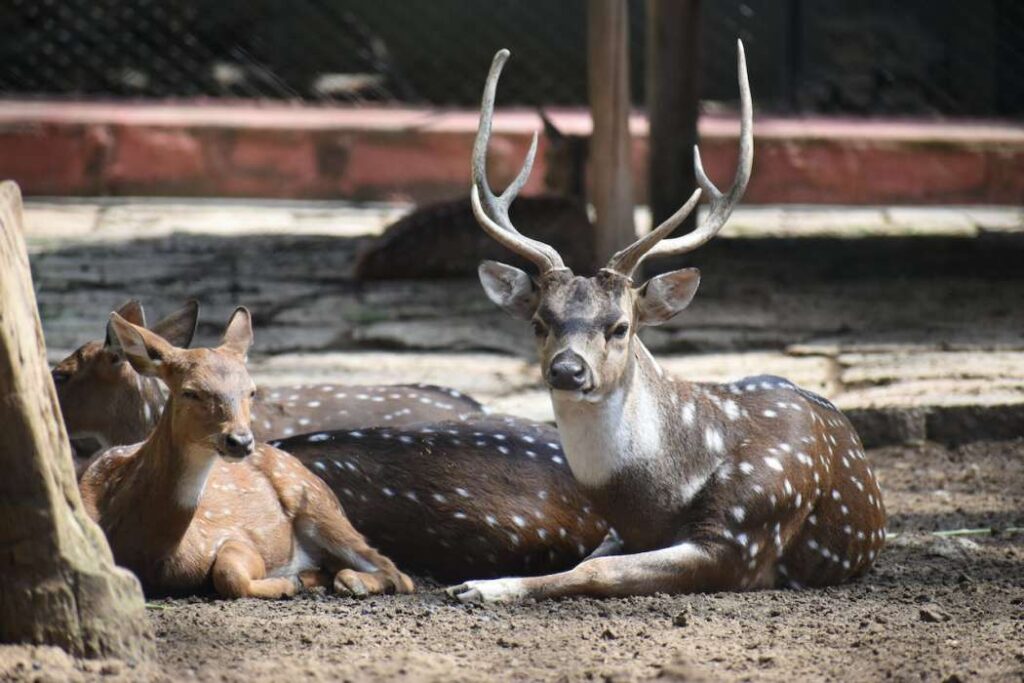
Enhancing deer health involves providing essential minerals like calcium and phosphorus through strategically placed mineral blocks or granular supplements. Putting out mineral supplements encourages regular visits, encouraging a thriving deer population. This strategy contributes to robust antler growth and overall physical fitness by addressing specific mineral deficiencies in the local environment.
The provision of necessary minerals also supports the development of healthier fawns, ensuring the long-term sustainability of the deer community and its population. Regular monitoring and replenishing of mineral supplements become integral to maintaining the property’s attractiveness to wildlife.
Employ Scent Strategies
Leveraging scent attractants plays a pivotal role in drawing deer to the property. Utilizing deer urine-based scents or planting aromatic vegetation like clover and brassicas caters to their olfactory preferences. The strategic application of scents, considering wind direction, ensures that the aroma reaches areas frequented by deer, enhancing the overall allure of the property.
By using scents that mimic the presence of other deer or desirable vegetation, the property becomes more enticing and habitable for the local wildlife population. Integrating scent strategies becomes a nuanced aspect of attracting and sustaining a diverse wildlife population on the property.
Install Feeders Strategically
Supplemental feeding through well-placed deer feeders stocked with deer-specific feed blends is a practical and effective method to attract deer. Positioning these feeders in areas with natural cover provides a sense of security for deer while feeding, encouraging regular visits. Regular monitoring and refilling of feeders contribute to the establishment of a consistent food source, ensuring the sustained attractiveness of the property.
The strategic placement of feeders considers the natural movement patterns of deer, promoting a harmonious coexistence. Proper feeder management ensures a reliable and predictable food source for the deer population. This method not only supports the nutritional needs of wildlife but also provides opportunities for observation and appreciation of these magnificent creatures.
Conclusion
From understanding local deer species to implementing habitat enhancements, providing a nutrient-rich diet, and utilizing scent strategies, each section contributes to creating an environment that resonates with these majestic creatures’ natural needs and preferences.
By fostering a harmonious relationship and adhering to principles of ethical wildlife management, individuals can enjoy the presence of deer on their property while contributing to the broader ecosystem’s well-being. The commitment to these principles ensures a sustainable and mutually beneficial coexistence between humans and deer in the shared environment.
Carefully considering and implementing a comprehensive, nutrient-rich diet strategy contributes to a thriving deer habitat and a harmonious coexistence between humans and deer. Ultimately, the goal is not just to attract deer but to create an environment that supports their overall health, sustains their population, and fosters a balanced ecosystem. Through a thoughtful and holistic approach, individuals can transform their properties into sanctuaries that celebrate the beauty of deer and promote their well-being.
Check out: All You Need to Know About the Hunting Season