For any medical professional or student, recognizing and understanding medical instruments is a fundamental skill. These tools are the backbone of patient care whether in diagnostics, treatment, or surgery. Proficiency with medical instruments not only enhances clinical efficiency but also directly impacts patient safety and outcomes.
From the stethoscope’s familiar presence to specialized surgical devices, each instrument serves a critical purpose. In this guide, we’ll break down the most essential medical instruments, their uses, and why they remain indispensable in modern healthcare.
Diagnostic Tools That Form the Foundation
From the first day of training, medical professionals rely on core medical instruments to develop diagnostic expertise. The stethoscope remains indispensable for detecting heart and lung abnormalities, while sphygmomanometers deliver critical blood pressure data. Otoscopes provide vital visualization of ear canals, aiding infection diagnosis. These fundamental medical instruments form the diagnostic backbone of clinical practice, proving their enduring value in patient assessment.
Precision Tools Used in Surgery
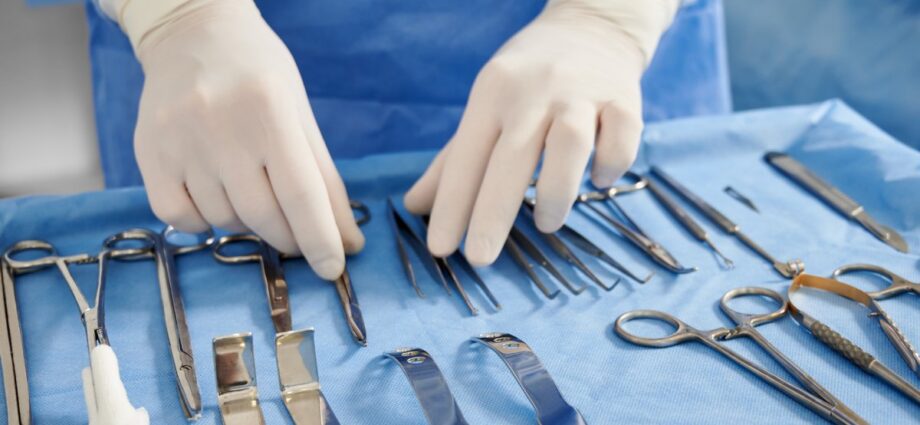
Surgery requires exactitude, and the instruments used must align with the high stakes of an operating room. Scalpels and scissors are among the must-haves for surgical precision. Scalpels deliver clean incisions to ensure minimal tissue damage, a fundamental step in almost every surgical procedure.
Surgical scissors, tailored for cutting tissue or sutures, come in two categories: straight vs. curved scissors. Straight scissors are for cutting sutures, while curved scissors are better for delicate tissue work. The design differences may seem minor, but they can make a significant impact on outcomes when dealing with intricate tasks.
Advanced Imaging for Modern Medicine
Beyond traditional diagnostic tools, modern medicine leans heavily on advanced imaging equipment. Ultrasound machines are ubiquitous in hospital wards. They provide quick insights into internal structures, guiding procedural accuracy for tasks like fluid aspiration or confirming organ health.
X-rays and CT scanners augment diagnosis by offering detailed internal imaging. These advanced tools require operational proficiency and careful interpretation skills. Accuracy in these technologies can spell the difference between early, effective treatment and a misplaced intervention.
Medical Instruments Supporting General Clinical Practice
While often overlooked, basic medical instruments form the foundation of effective healthcare. Syringes and needles serve as universal tools across all clinical settings, while thermometers – both digital and traditional – provide vital first-line diagnostic data. These fundamental medical instruments enable critical early interventions, from detecting fevers to administering treatments.
Mastering these tools requires continuous practice and education. For healthcare professionals, proficiency with core medical instruments directly translates to improved patient outcomes and higher-quality care. Their simplicity belies their importance – in skilled hands, they become powerful instruments of healing.