Construction work demands reliable safety equipment that protects workers from daily hazards. Understanding when to replace your gear might mean the difference between staying safe and facing serious injury. Most construction professionals underestimate how frequently they need to update their protective equipment, leading to compromised safety on job sites.
We’re going into greater detail about how often construction work gear needs replaced, exploring ideal replacement schedules for essential construction gear. By the end, you’ll be able to recognize when equipment no longer provides adequate protection.
Factors That Determine Replacement Frequency
Several key elements influence how quickly your construction gear wears out and needs replacement.
Usage Intensity: Heavy daily use accelerates wear patterns significantly. Workers who use their equipment 8 – 10 hours daily will need replacements more frequently than those with lighter usage schedules. High-impact activities like demolition or concrete work create additional stress on protective gear.
Environmental Conditions: Harsh weather conditions, chemical exposure, and extreme temperatures all shorten equipment lifespan. UV rays from prolonged sun exposure weaken materials, while moisture and humidity can cause deterioration in protective components.
Material Quality: Higher-quality gear typically lasts longer but costs more upfront. Budget equipment may need replacement more frequently, making premium options more cost-effective over time.
Essential Gear Replacement Schedules
Different types of construction equipment have varying lifespans based on their design and typical usage patterns.
Hard Hats
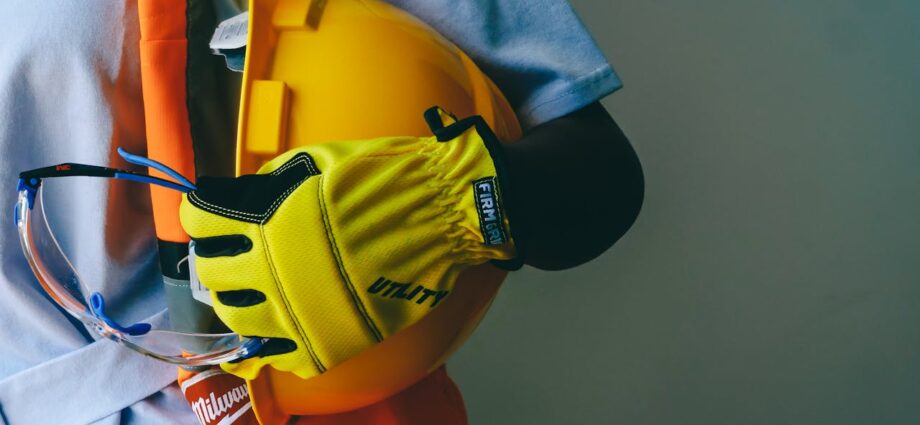
Replace hard hats every two to five years, depending on manufacturer recommendations and usage conditions. However, replace the hat immediately after an impact that creates visible damage, cracks, or dents. UV exposure gradually weakens the plastic, making older hard hats less protective even without visible damage.
Safety Glasses and Goggles
Replace safety eyewear as soon as scratches impair your vision or compromise the protective lens integrity. Deep scratches weaken impact resistance, while surface scratches reduce visibility and increase eye strain.
Work Boots
Quality work boots typically last 6 – 12 months with regular use. Replace boots if you notice these signs:
- Tread patterns are smooth
- Soles are separating from uppers
- Steel toes show visible damage
- Waterproofing fails consistently
Protective Gloves
Glove replacement schedules vary dramatically based on type and application. Disposable gloves need daily replacement, while leather work gloves in Texas might last several months despite the challenging climate conditions. Replace gloves when you notice:
- Holes or tears in protective areas
- Reduced grip capability
- Stiffening that limits dexterity
- Chemical degradation
Extending Equipment Lifespan Through Proper Care
Smart maintenance practices can significantly extend the useful life of your construction gear while maintaining safety standards.
Regular cleaning: Clean equipment removes harmful substances that accelerate deterioration. Use appropriate cleaning methods for each material type—mild soap for most plastics and specialized leather cleaners for boots and gloves.
Proper storage: Store your gear in dry, temperature-controlled environments when possible. Avoid leaving equipment in hot vehicles or direct sunlight for extended periods. Use gear bags or designated storage areas to prevent damage.
Timely repairs: Address minor damage immediately before it becomes a safety hazard. You can professionally repair small tears in gloves or loose boot soles to extend usable life while maintaining protection standards.
Regular equipment inspections help you identify when your construction work gear needs replaced. Establish weekly inspection routines that check for damage, wear patterns, and functionality issues. Document replacement dates to track usage patterns and budget for future equipment needs.