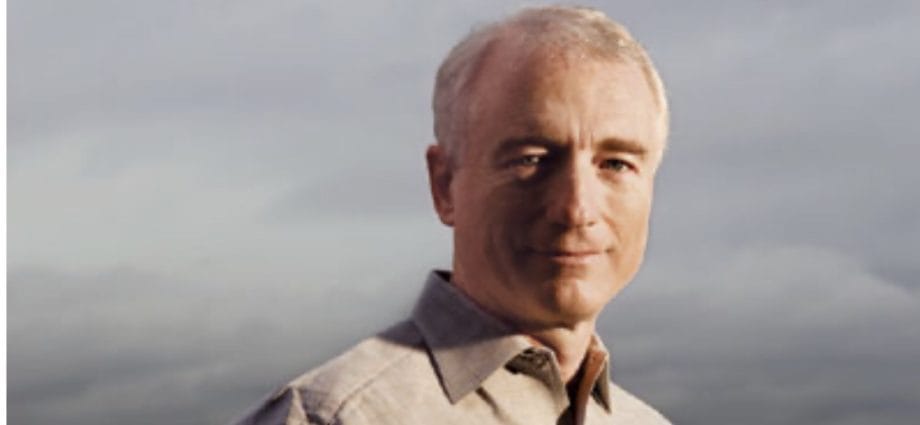
Larry Tesler, the computer scientist that brought an amazing idea and function to computing has died at the age of 74. His career began when he started working in Silicon Valley in the early 1960s.
The death of Lawrence “Larry” Tesler was announced on Twitter on Wednesday by Xerox, where he spent part of his career. It was thanks to his innovations – which included the “cut”, “copy” and “paste” commands – that the personal computer became simple to learn and use.
Xerox paid tribute to the remarkable computer scientist for his great work and contributions to the computing industry.
“The inventor of cut/copy & paste, find & replace, and more, was former Xerox researcher Larry Tesler,” the company tweeted. “Your workday is easier thanks to his revolutionary ideas.”
Born in the Bronx, New York, in 1945, and a graduate from Stanford University in California. Larry Tesler specialised in user interface design — making computer systems more user-friendly.
He worked for a number of major tech firms during his long career. He started at Xerox Palo Alto Research Center (Parc), before Steve Jobs poached him for Apple, where he spent 17 years and rose to chief scientist. After leaving Apple he set up an education start-up and worked for brief periods at Amazon and Yahoo.
Larry Tesler was a smart computer scientist that made the cut, copy and paste idea possible
The cut and paste command was reportedly inspired by old-fashioned editing that involved actually cutting portions of printed text and affixing them elsewhere with adhesive.
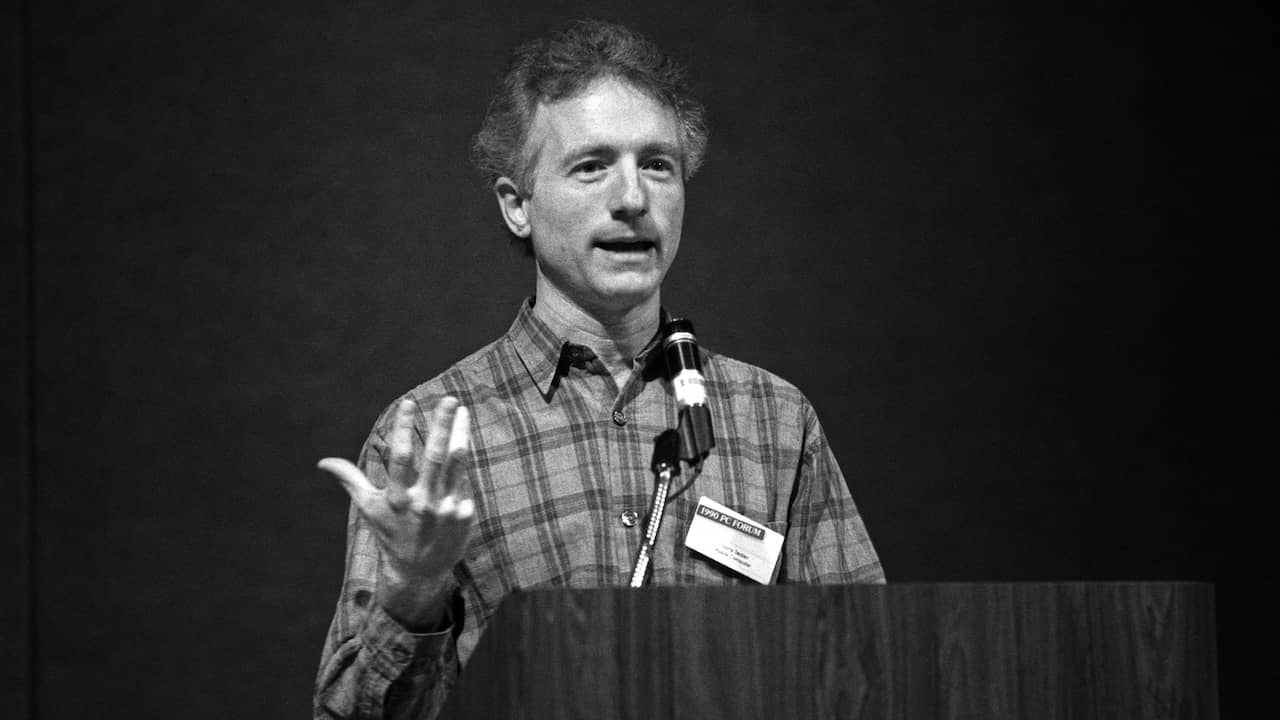
The command was made popular by Apple after being incorporated in software on the Lisa computer in 1983 and the original Macintosh that debuted the next year.
In 2012, he told the BBC of Silicon Valley: “There’s almost a rite of passage – after you’ve made some money, you don’t just retire, you spend your time funding other companies.
“There’s a very strong element of excitement, of being able to share what you’ve learned with the next generation.”
‘A counterculture vision’
One of Mr Tesler’s firmest beliefs was that computer systems should stop using “modes”, which were common in software design at the time.
Modes allow users to switch between functions on software and apps but make computers both time-consuming and complicated.
So strong was this belief that Mr Tesler’s website was called “nomodes.com”, his Twitter handle was “@nomodes”, and even his car’s registration plate was “No Modes”.
Silicon Valley’s Computer History Museum said Mr Tesler “combined computer science training with a counterculture vision that computers should be for everyone”.
Also read: Tesla Adds Amazing Feature to All Its Cars