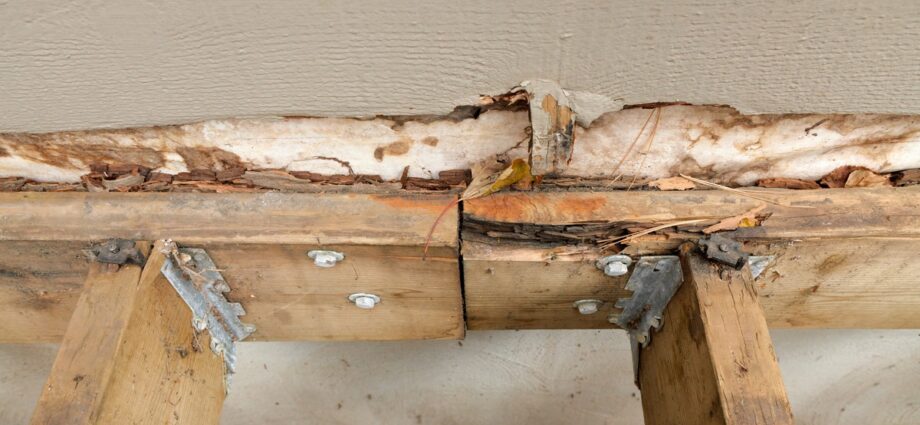
Discovering rotting wood in your home can feel overwhelming, but it’s crucial to tackle the issue head-on to avoid further damage. Rotting wood not only compromises the structural integrity of your home but can also invite pests like termites and carpenter ants, as well as promote the growth of harmful mold.
By understanding the common mistakes you should avoid if you have rotting wood in your home, you can address the problem effectively and safeguard your living space.
Using the Wrong Materials for Repairs
When it comes to repairing rotting wood, using the wrong materials can lead to recurring issues and wasted effort. For example, untreated wood replacements are more vulnerable to future rot, while inadequate sealants may fail to protect against moisture.
Always use treated wood, rot-resistant materials, or composite alternatives when making repairs. Additionally, ensure that any products you use to treat or seal wood that are better for long-term durability and can withstand the conditions of your home, whether indoors or outdoors.
Overlooking Small Signs of Decay
Disintegration moves fast, and if you don’t address it sooner rather than later, it can spread to adjacent structures, weakening beams, floors, or walls. Wood rot contributes to moisture problems in stucco walls, which rely on wooden framing for structural support.
Excessive moisture can reach the wood underneath and cause it to rot. Addressing the issue as soon as you notice signs of decay—like discoloration, softness, or a musty smell—is critical to preventing a larger issue.
For example, a small area of rot at the base of a wooden door could eventually compromise the entire frame. Regular inspections of your home—especially in areas prone to moisture, like basements, bathrooms, and crawl spaces—can help you catch and address small signs of decay before they escalate.
Inadequate DIY Fixes
Many homeowners attempt DIY fixes for rotting wood, but without the right tools, knowledge, or expertise, these efforts can fall short. While small patches of rot might be manageable for a weekend project, larger or more complex issues often require the expertise of a professional. For example, a qualified contractor should handle structural rot in load-bearing beams or roof trusses to ensure safety and long-term stability.
Proactive measures are the key to avoiding mistakes when dealing with rotting wood in your home. Protect your home, save money, and prevent further damage with the right approach, and you’ll sidestep greater headaches, costly repairs, and potential safety risks in the future.
For more home improvement tips, check out our content right here.