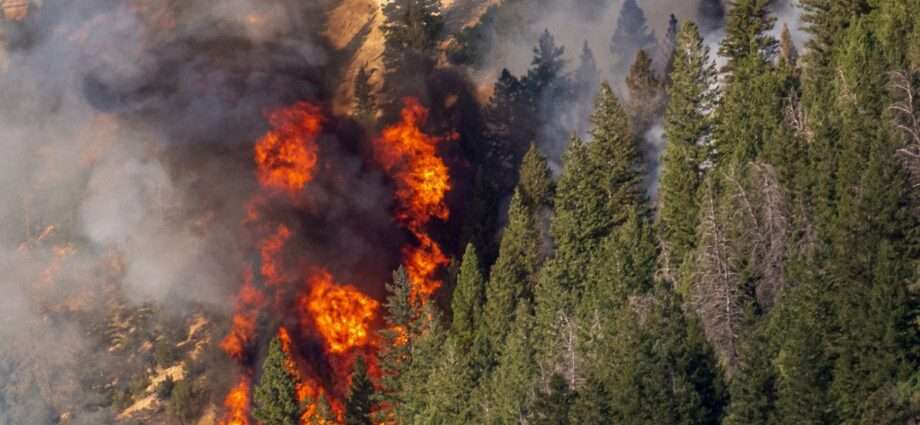
In the face of rising temperatures and dry conditions, wildfires are becoming more than just a seasonal concern—they are an ongoing threat that demands a proactive response. One group essential in firefighting efforts is utility companies. Keep reading to learn the strategies utilities can implement to combat the spread of wildfires.
Assess Local Wildfire Risks
A conscious utility company advocates for proactive risk assessment. By thoroughly evaluating the environmental factors that contribute to wildfire spread, utilities can predict and preempt potential fire hazards. Advanced technologies, such as GIS mapping and satellite monitoring, play pivotal roles in identifying high-risk areas, accounting for variables such as vegetation type, power line proximity, and past incident patterns.
Understanding local risks enables utilities to tailor their response, allowing them to protect their assets and safeguard the larger community. By staying ahead of the curve, they can coordinate with emergency services and prepare for quick and efficient responses when the call to action comes.
Build With Fire-Resistant Materials
Utilities now opt for materials with greater fire resistance in infrastructure construction and maintenance. There are several structural building materials that can increase utility equipment’s resistance to wildfire. From transmission towers to the insulated wires they support, using these materials can significantly reduce the risk of electrical malfunctions, which often catalyze large-scale wildfires.
Fires that start in or spread to wooded areas can lead to catastrophic transformer explosions. By utilizing self-extinguishing transformer fluids and fire-resistant casings, utilities can prevent incidents that fuel the spread of the fire, protecting equipment and the accessibility of power for critical emergency services.
Structure a PSPS Procedure
Public Safety Power Shutoffs (PSPS) serve as a controlled measure to mitigate wildfire risk during extreme weather conditions. When the threat of fire is high, there is potential for electrical equipment to cause sparks in tinder-dry conditions. In these cases, utilities initiate PSPS, temporarily interrupting power in high-risk zones to prevent further escalation.
The key to a successful PSPS is clear communication with customers and close collaboration with local authorities. By having a PSPS infrastructure in place, utilities can take preventative measures that promote safety and reduce their liability in the event of a wildfire.
Develop a Wildfire Mitigation Plan
Developing a comprehensive wildfire mitigation plan is the pinnacle of utilities’ commitment to combat fires. This plan must integrate with the broader community’s strategies, incorporating land use policies and emergency response plans to create a cohesive defence against wildfire threats. The objective is not merely to suppress fires as they occur but to minimize their likelihood in the first place through long-term, sustainable practices.
Utility companies are pivotal entities in the fight against wildfires. Their role extends beyond power provision—they are among the first lines of defence and pioneers in the development of fire-resistant technologies and strategies. The battle against wildfires is a multifaceted effort. Ongoing collaboration and innovation can lead us to more resilient, fire-safe communities.