Maintaining mobility as you age is vital for preserving independence, enhancing quality of life, and preventing injuries. Considering the body undergoing natural changes over time, it is becoming increasingly important to concentrate on methods that can improve and maintain mobility.
This guide explores effective methods to enhance mobility, offering practical advice to help you stay active, flexible, and capable in your later years.
The Importance of Regular Physical Activity
Engaging in consistent physical exercise is essential for preserving and enhancing your mobility as you age. Regular exercise maintains strong muscles, supple joints, and optimal cardiovascular health. Walking, swimming, and cycling can help improve your physical endurance and overall well-being. Additionally, strength training is essential since it preserves and increases muscular mass, which decreases with age.
Focusing on certain muscle areas, especially the legs and core, can improve balance and reduce the risk of falling. Regular exercise also increases blood circulation, which is essential for maintaining the health of your joints, easing stiffness, and increasing range of motion.
Flexibility and Stretching for Joint Health
Maintaining mobility requires flexibility, and joint health depends on including stretching exercises in your regimen. Stretching helps to maintain the elasticity of muscles and tendons, which can tighten and shorten with age. Your range of motion can be enhanced by routinely executing stretches that focus on the main muscle groups, including the quadriceps, hip flexors, and hamstrings.
Stretching and strength training are combined in yoga and pilates, which are great methods that provide a comprehensive approach to preserving mobility. In addition to focusing on breathing and mindfulness, these practices can help lower stress and tension in the body, which enhances flexibility and joint health.
Balance Training to Prevent Falls
Maintaining balance becomes more crucial as you become older to avoid falls, which are a major source of injuries for older people. By adding balance exercise to your regimen, you can increase your stability and drastically lower your chance of falling. Exercises that focus on slow, deliberate motions and shifting of weight, like tai chi, are especially good for improving balance. Over time, simple balance exercises like heel-to-toe walking and standing on one leg can also help you become more balanced.
In addition to strengthening the muscles that support your lower body and core, balance training improves proprioception or the knowledge of where your body is in space. This awareness is essential for avoiding falls and preserving your range of motion.
The Role of Nutrition in Mobility
When it comes to maintaining mobility as you age, nutrition is crucial. Maintaining bone density, muscle mass, and joint health requires a diet high in vital minerals like calcium, vitamin D, and protein. To prevent osteoporosis, which weakens bones and raises the risk of fractures, calcium and vitamin D are very crucial. In addition to aiding in the normal loss of muscle mass that comes with age, protein is necessary for both muscle development and repair.
Flaxseeds and fish, which are high in omega-3 fatty acids, offer anti-inflammatory qualities that can help lessen stiffness and soreness in the joints. It’s also important to stay hydrated since dehydration may cause joint pain and cramping in the muscles. You can help your body retain strength and flexibility, two essential elements of mobility, by emphasizing a balanced diet.
Integrating Mobility Training into Daily Life
Adding mobility exercise into your everyday routine is crucial for maintaining and improving your mobility as you age. The main goals of mobility training are to increase joint range of motion, increase flexibility, and build up the muscles that facilitate movement. Over time, your mobility can be greatly improved by including basic motions like arm circles, lunges, and squats into your everyday routine.
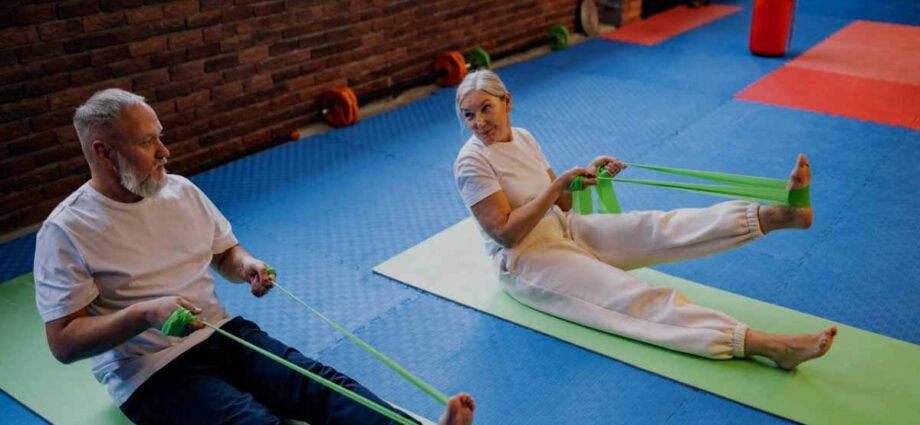
In addition, stretching and strengthening activities might benefit from equipment such as foam rollers and resistance bands. Upholding proper body mechanics and posture throughout the day is also essential for preserving mobility. You can avoid strain and injury by being mindful of your body’s alignment and movement patterns, whether standing, sitting, or lifting items. This will keep you active and mobile as you age.
Conclusion
Improving and maintaining your body’s mobility as you get older involves a multifaceted approach that includes regular physical activity, flexibility and balance training, proper nutrition, and integrating mobility-enhancing exercises into daily life.
Adhering to these tactics helps you develop a feeling of independence and confidence, in addition to improving your physical talents. This holistic approach allows you to enjoy a more active, engaged, and fulfilling life as you age, ultimately contributing to a higher quality of life and greater overall well-being well into your later years.
More health tips: How to Support a Loved One Struggling with Mental Health Issues