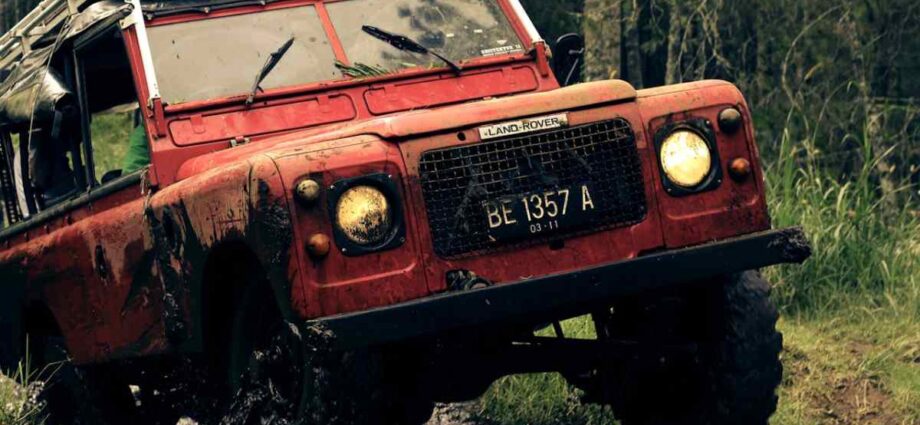
Off-roading is more than just a weekend hobby. It is an adrenaline-filled way to connect with nature, test your driving skills, and push your vehicle beyond paved limits. However, heading onto rugged trails without proper preparation can quickly turn an exciting adventure into a stressful situation. Before you leave the pavement behind, make sure you know what you need if you want to go off-roading.
Start With the Right Vehicle
Not every vehicle is built for dirt trails, rocky climbs, or muddy paths. While all-wheel drive can handle light terrain, serious off-roading typically requires a four-wheel-drive system with high ground clearance. Skid plates, tow hooks, and a durable suspension system also make a significant difference when navigating uneven landscapes.
Beyond capability, reliability matters. Your vehicle should be well-maintained, with fresh fluids, strong brakes, and a healthy battery. Breakdowns in remote areas are more than inconvenient; they can be dangerous.
Upgrade Tyres for Better Traction
One of the most important improvements you can make before going off-roading is upgrading your tyres. Standard highway tyres are designed for smooth pavement, not loose gravel, sand, or mud. All-terrain or mud-terrain tyres provide deeper tread patterns and stronger sidewalls that improve grip and reduce the risk of punctures.
Upgraded tyres enhance traction on uneven surfaces and give you better control when climbing hills or navigating slippery terrain. They also improve durability, which is essential when driving over rocks or debris. Heading out on the trail with bald, or even just worn tires, can expose you to a number of dangerous situations; know the threats to yourself and upgrade your vehicle accordingly.
Pack Essential Recovery Gear
Even experienced drivers get stuck from time to time. That is why recovery gear is not optional. Items such as a recovery strap, D-rings, traction boards, and a portable air compressor can help you get out of difficult situations. A high-lift jack and a full-size spare tire are also important additions to your setup.
Preparation ensures that a minor obstacle does not turn into a major setback. When traveling with others, coordinated recovery efforts become even safer and more efficient.
Prioritize Safety and Planning
Off-roading often takes you far from cell service and roadside assistance. Always let someone know your plans before heading out. Carry a first-aid kit, extra water, food, and navigation tools such as GPS devices or physical maps.
Respect the environment and follow local regulations to preserve trails for future adventurers. With the right equipment, proper planning, and responsible driving, off-roading becomes a rewarding and unforgettable experience.
Check out: These Are The Best 12 Off-road Cars for Ugandan Travel