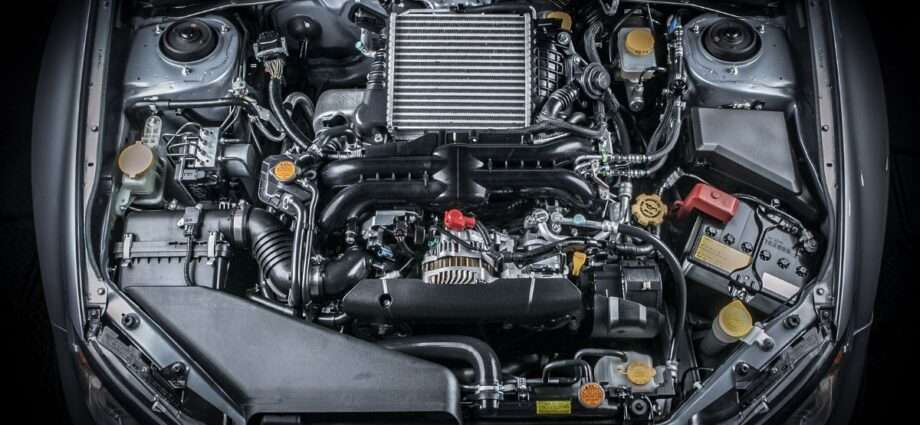
Some people use words incorrectly. Many people use the words “engine” and “motor” interchangeably as if they’re the same thing. However, they aren’t identical. So let us explain the difference between an engine and a motor and put the confusion to bed.
May We Have the Definition, Please?
To find the answers to how these synonymous words are vastly different, you should start at the roots of each word and their official definitions. At its core, a motor is another term for “mover.” A motor is a device that activates and keeps the rest of the system moving. The motors of today transfer electrical power into mechanical form.
Although most people only think of an engine powering a vehicle, they work in many other machines. “Engine” derives from the Latin term “ingenium,” which is an instrument or system that provides an output. An engine doesn’t only refer to machines, either. For example, a string of quality political candidates is also an engine.
Simply put, a motor works more with electricity, whereas an engine is a machine with several components that transforms power into action. Common words that you can associate with a motor are generator, cylinder, and turbine. Conversely, diesel, tools, and appliances go with engines.
The Good News
Each device has its advantages and disadvantages. The pros of a motor are the most apparent because it doesn’t always require fossil fuels. Limiting your carbon footprint motivates several individuals to go with a motor over an engine. Other motor advantages include automated control, minimal maintenance requirements, and efficiency.
Many of the advantages of an engine are in tune with the pros of a motor. But one primary advantage an engine has over a motor is its power. When an engine is a driving force behind anything, it provides more strength. If you want to go from 0 to 100 quickly, you’ll want an engine leading the way.
The Bad News
We know that engines are more powerful than motors, but another drawback of relying on a motor is that they have to charge. Engines are like people who hear their alarm in the morning and spring out of bed, ready to hit the ground running. A motor needs coffee after lunch to keep their head from hitting their desk.
While everyone would like to have the pep of an engine, there are a few trade-offs. First, engines are more costly to install and repair. For example, if your engine falls victim to one of the most common diesel engine problems, you may struggle with paying all the money to fix it. Engines also aren’t as kind to the planet as their motor counterparts. Not only will you let emissions affect the environment, but you’ll also pay more at the pump.
Next time you hear someone use these words haphazardly, you can correct them because you now know the difference between an engine and a motor. You can educate everyone else who has trouble grasping that these are two different things.
Check out: Factory Stock V8 Supercharge: Do We Really Need A Monstrous-Sized Engine Sedan?