

Upholding building safety is essential for both regulatory compliance and tenant protection. Here are five crucial actions to make sure your structure complies with safety regulations, from routine inspections to appropriate maintenance. By taking these precautions, you may reduce the risks and liabilities that come with building safety violations and protect the health and safety of the tenants.
1. Conduct Regular Inspections
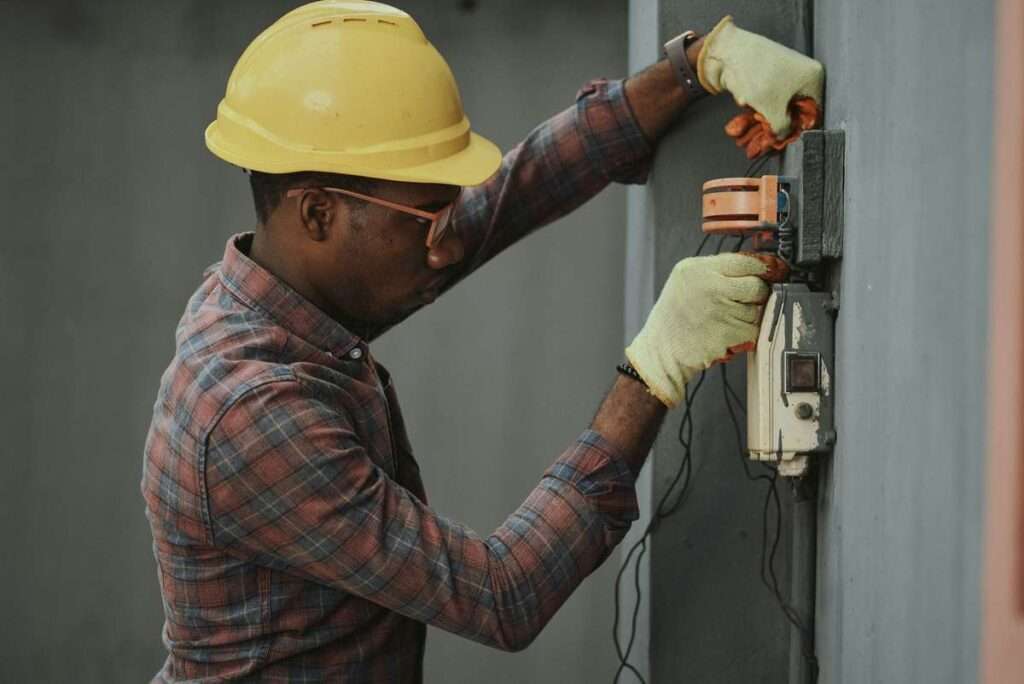
To guarantee the integrity and safety of a structure, routine inspections are vital. Signs of degradation or wear and tear on the building’s walls, roof, and other structural components can be identified with structural examinations. Overloaded circuits, damaged wiring, and other electrical risks that might cause a fire are all found during electrical inspections.
Extinguishers, sprinkler systems, emergency exits, and fire alarms are all inspected to ensure they are in good operating order and adhere to safety standards. Building owners may reduce property damage, avoid mishaps, and guarantee the security and welfare of their inhabitants by performing routine inspections and quickly resolving any concerns that arise.
2. Stay Updated on Safety Building Codes
Maintaining a secure and law-abiding building environment requires being current on building codes. Building construction, repair, and maintenance criteria are determined by building regulations, which guarantee that structures are fire-resistant, structurally sound, and accessible to all residents.
Building owners and managers may guarantee that their facilities fulfil the necessary safety requirements and prevent possible fines or penalties for non-compliance by keeping up with the most recent building codes and laws. Respecting the most recent revisions to the building regulations will improve the building’s overall value, safety, and usefulness while lowering liability risks in the case of crises or accidents.
There are several ways to stay informed about changes to building codes: you can talk to professionals or experts in the field, attend training sessions, seminars, and workshops provided by industry groups or regulatory agencies, and subscribe to publications or newsletters that offer updates on pertinent regulations.
3. Implement Proper Maintenance Procedures
Maintaining the integrity and operation of a building’s equipment and systems requires proper maintenance methods. Building owners and managers may prevent expensive repairs or crises by identifying and addressing such problems early on with the help of a proactive maintenance plan. A regular inspection, cleaning, lubricating, testing, and calibration schedule should be included in this plan for all building components, including elevators, fire prevention devices, HVAC systems, electrical wiring, plumbing fittings, and structural elements.
Furthermore, arranging regular maintenance in line with industry best practices and manufacturer guidelines may assist in prolonging equipment life, maximizing energy efficiency, and guaranteeing adherence to safety standards and laws.
4. Provide Training for Occupants
It is essential to train building inhabitants thoroughly to promote safety and emergency readiness. Various subjects should be covered in training sessions, such as emergency communication systems, evacuation plans, fire safety regulations, first aid methods, and the correct use of safety equipment, including fire extinguishers and emergency exits.
The facility layout, including assembly locations, major and secondary escape routes, and designated safe spaces, should also be recognizable to the people. Interactive workshops, informative lectures, online courses, or the distribution of instructional materials to residents can all be used to conduct training sessions.
Making sure that training materials are updated regularly to take into account modifications to building systems, emergency protocols, or safety requirements is crucial. Building owners and managers can ensure overall building safety, reduce property damage, and safeguard the well-being of all residents by equipping them with the information and skills necessary to respond to crises.
5. Upgrade Fire Protection Systems
Maintaining effective fire protection systems is critical for safeguarding building safety and the well-being of its occupants. Beyond ensuring the proper installation and functionality of essential components like fire alarms, smoke detectors, and sprinkler systems, it’s crucial to stay ahead of advancements in fire detection and suppression technology.
Investing in upgrades such as advanced fire detection systems can enhance early warning capabilities and improve response times in the event of a fire. For older buildings, retrofitting with modern fire suppression systems can significantly enhance their fire safety measures.
Additionally, prompt attention to any issues, such as post-indicator valve repair, is essential to ensure the continued effectiveness of fire protection systems. By prioritizing upgrades and addressing maintenance needs proactively, building owners can significantly reduce the risk of fire-related incidents and protect both lives and property.
Building safety is important
A proactive strategy is needed to ensure building safety, including routine inspections, adhering to building codes, implementing appropriate maintenance processes, educating tenants, and handling damages as soon as they arise. By putting safety and compliance first, you can reduce hazards and give residents a secure environment.
Check out these articles if you’re interested in more how-to content.



I just found this article and it’s packed with valuable information! I never realized how important regular inspections and staying updated on building codes were to ensure safety. I think I’m going to start paying more attention to the fire protection systems in my building and make sure the maintenance is up to date. It’s also a great reminder to train tenants on emergency procedures—safety should always come first! Definitely bookmarking this for future reference.