As we all know, effective physical therapy includes positive engagement from numerous individuals. From the day of injury or diagnosis through treatment, these people play a key part in the healing process.
Having a second pair of eyes and ears may ensure that the patient understands the home exercise instructions. The family member may become a great motivation to persuade the patient to accomplish their prescribed activities.
Here are some ways that you can support your loved one on their journey to recovery.
4 Tips to Help You Support Your Loved One Through Physical Therapy
1. Prevent Falls
Many older persons engage in physical therapy to rehabilitate after a fall and prevent future falls. As your loved one improves strength and endurance through physical therapy, a visiting caregiver can assist avoid a fall in the house that might derail their development.
Each visiting care plan includes a complete fall prevention evaluation, which examines your loved one’s risk of falling at home. Caregivers are devoted to fall prevention and are educated to detect risk factors for falls. For example, suppose your loved one is learning to use a cane or walker. In that case, a Visiting Angels caregiver can eliminate tripping hazards and offer physical assistance while your loved one learns confidence navigating their environment.
2. Send Forth Positive Reinforcement
Even though physical therapy has several advantages, finishing the program may be difficult. You can be there to offer support and inspiration when the going gets rough with hand strengthening exercises and other encouraging activities. A trusted companion cheering on your loved ones may be exactly what they need to assist them in moving on into the next part of their healing process.
There are a variety of approaches you may use to include caregivers in your patients’ treatment. A patient who seems to be battling with motivation may benefit from inviting a supportive friend or family member to join them in their endeavours. Some patients already have caregivers who transport them to and from treatment appointments.
The family member’s role should be discussed if they attend the first meeting. If they are not there, you should address how they will participate in the rehabilitation process in the future. If deemed appropriate, invite them to participate in treatment sessions and underline the significance of having a support system beyond the clinic setting.
Once a family member has opted to engage in treatment sessions, include them in the process by having them evaluate paperwork.
3. Set Up Recurring Reminders
Even if your elderly loved one is undergoing in-person physical therapy, they may be required to attend sessions on many days each week. Your loved one’s caregiver can aid in this process by giving appointment reminders and making transportation arrangements, ensuring that no appointments are forgotten or missed.
Of course, the major actors are the therapist and patient. But, don’t forget about the extra benefit of incorporating family members or friends at home or in the clinic. Many physicians offer a home exercise regimen for their patients.
However, depending on numerous health issues, occasionally, a patient may not completely absorb or recall the therapist’s advice. This may provide a tremendous issue.
A caregiver can ensure that your senior is prepared for appointments by collecting all of the essential equipment and ensuring that they are in a safe environment to conduct the appointment.
4. Find Ways to Inspire Your Loved Ones
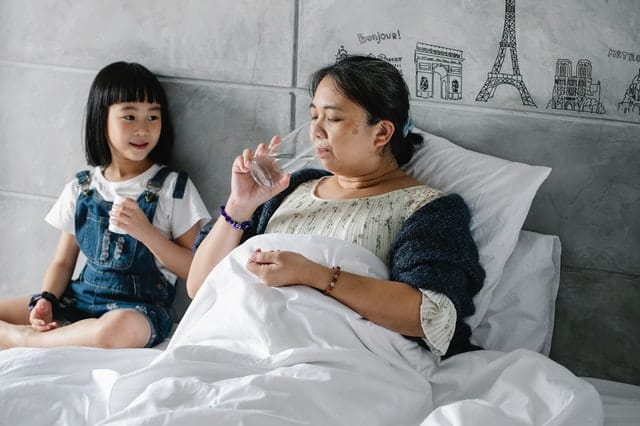
Healthy habits and self-care are critical to our well-being. People who are confined to their homes may lose motivation to maintain their usual health routines. Encouragement of children’s self-care, on the other hand, is very necessary for their overall well-being.
Even if your loved one is homebound, it’s still crucial to be as physically active as possible. It’s also crucial to remember that homebound elders might be badly wounded if they do not follow the necessary measures.
Working with a physician and physical therapist to decide which activities are suitable for your loved one is the safest method for avoiding injury when exercising for homebound older persons.
Wrapping Up
Our relationships with family and friends greatly influence our mental and physical well-being. Knowing that others are sympathetic and eager to assist in a person’s rehabilitation is comforting after they have been hurt.
Having a supporting team both within and outside of the clinic is quite beneficial when it comes to the healing process. Encourage your patients to bring family members or friends to treatment sessions whenever feasible!
Also, read: Why You Should Value Your Mental and Physical Health