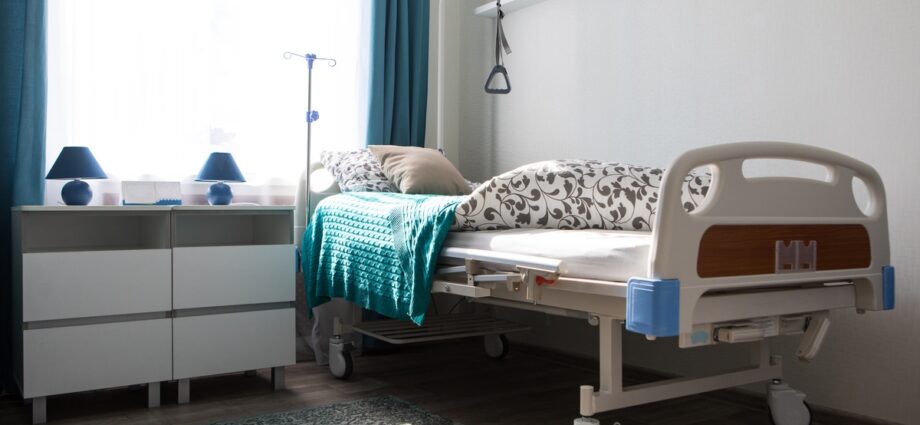
A regular bed works well until care requires more than a place to sleep. When sitting up or getting out of bed becomes difficult, a standard mattress begins to show its limits. The practical side of hospital beds at home is that they solve daily problems that a normal bed was never designed to handle. For someone recovering from injury, illness, or age-related mobility changes, that difference shapes the entire care routine.
Why a Standard Bed Stops Working
A normal bed stays in one position, which means the person using it has to do more of the work. That becomes harder when pain or limited balance affects movement. Even small tasks like sitting upright for a meal or moving closer to the edge of the bed take more effort than they should. A hospital bed reduces that strain because the surface adjusts to the person instead of forcing the person to adjust to the bed.
Adjustability Supports Real Daily Care
The biggest practical difference is control over position. Raising the head of the bed helps someone sit up without stacking pillows that slide out of place. Adjusting the knees or feet supports a more stable resting position when the body needs relief from pressure or swelling. Those changes make daily care less awkward because the bed responds to what the person needs throughout the day.
Bed Height Changes Transfer Safety
Getting in and out of bed is one of the clearest reasons a hospital bed makes sense at home. A bed that is too high creates a risky fall, while a bed that is too low makes standing harder. Adjustable height lets the surface line up better with a wheelchair, walker, or caregiver’s assistance. That single feature reduces the physical struggle around transfers and helps the person move with more control.
The Right Mattress Adds Practical Comfort
A hospital bed frame does part of the work, but the mattress affects how long someone rests comfortably. Pressure relief becomes important when a person spends many hours in bed or needs assistance changing position. Choosing between foam and air-alternating hospital mattresses fits within the larger decision about how much support and pressure management the person needs. A regular mattress is not built for the same type of care, even when it feels comfortable at first.
Caregivers Benefit From Better Positioning
Hospital beds are not only practical for the person resting in them. Caregivers need better access to support personal care. Raising the bed to a workable height reduces bending and makes care tasks less physically demanding. Over time, that support prevents the routine from becoming a constant strain.
A hospital bed should make home care less physically demanding. The practical side of hospital beds at home is knowing when a regular bed no longer supports the way someone needs to move and receive care. That choice is less about bringing medical equipment into the house and more about making daily life easier to manage.
Check out: Behind the Mask: Breaking the silence of the Silent Sufferers