Walking into a hardware store, the wall of gloves can look overwhelming. You see cotton, rubber, leather, and synthetic blends all hanging in neat rows. It might tempt you to grab the cheapest pair or the ones with the coolest design and head to the checkout.
However, picking the wrong gloves for a construction site puts your hands at serious risk. Your hands are your most valuable tools and protecting them requires specific gear designed for the hazards you face daily. Here’s the real reason why you can’t buy just any gloves for construction work.
Protection Against Specific Hazards
Construction sites are full of sharp objects. Sheet metal, glass, and nails can easily slice through flimsy materials like standard cotton or thin latex. You need gloves with high cut resistance ratings to work safely with these materials.
Manufacturers rate gloves based on how much weight a blade needs to cut through the material. A generic garden glove offers zero protection against a slip with a utility knife or a jagged piece of metal flashing.
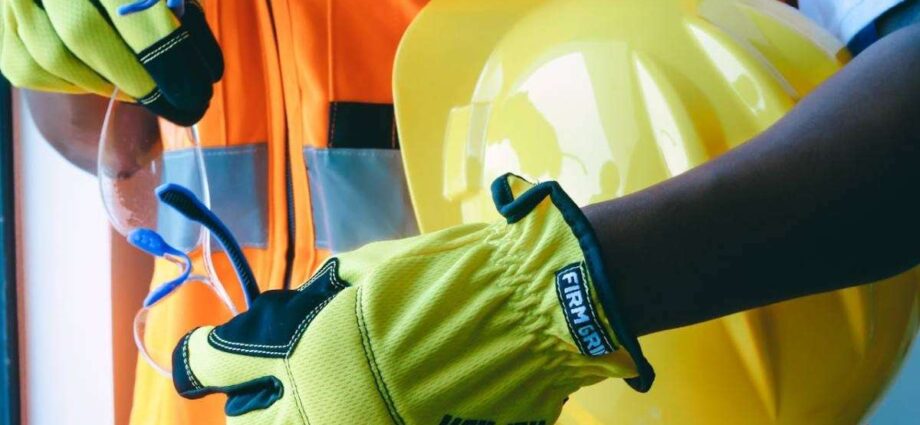
Impact protection also matters significantly. Smashing a finger with a hammer or catching your hand between heavy materials happens frequently. Specialized construction gloves often feature thermoplastic rubber (TPR) armor on the back of the hand. This armor absorbs and disperses impact energy, potentially saving you from broken bones or severe bruising. Cheap, generic gloves lack this critical feature completely.
Durability and Grip Strength
Standard gloves wear out fast on a job site. Handling concrete blocks, lumber, and rebar shreds weak fabrics in hours. You need materials that withstand abrasion and constant friction. Many professionals select leather work gloves because they offer a natural resistance to abrasion while molding to the hand over time for a comfortable fit. Synthetic materials have also evolved to provide incredible durability without sacrificing dexterity.
Grip is another major safety factor. If your gloves become slippery when wet or oily, you risk dropping heavy tools or materials. This endangers you and everyone working below you. Construction gloves often use specialized coatings like nitrile or latex on the palms to ensure you maintain a solid grip even in slick conditions.
Comfort and Fit Matter for Safety
If gloves don’t fit right or feel uncomfortable, workers take them off. That is when accidents happen. High-quality construction gloves account for dexterity and breathability. You need to feel what you are doing to handle screws, nails, and controls on power tools effectively.
Cheap gloves often have bulky seams that rub against your skin, causing blisters. They might trap heat, making your hands sweat excessively, which leads to slippage inside the glove. Purpose-built construction gear uses breathable fabrics on the back of the hand to keep you cool and seamless designs to prevent irritation.
The Right Tool for the Job
Think of your gloves as PPE, not just clothing. You wouldn’t wear flip-flops to pour concrete, so don’t wear gardening gloves to frame a house.
- Cut-resistant gloves for handling glass or metal.
- Impact-resistant gloves for demolition or heavy lifting.
- Vibration-dampening gloves for jackhammers and sanders.
- Chemical-resistant gloves for handling solvents or cement.
Investing in the correct hand protection ensures you end the workday with your hands intact and ready for tomorrow. Don’t settle for whatever is closest to the register; choose the gear that actually protects you. Buying just any glove for construction work sets you and everyone around you up for failure. Find the pair perfect for the job.
Check out: 2 Serious Signs of Heat Stress in Construction Workers