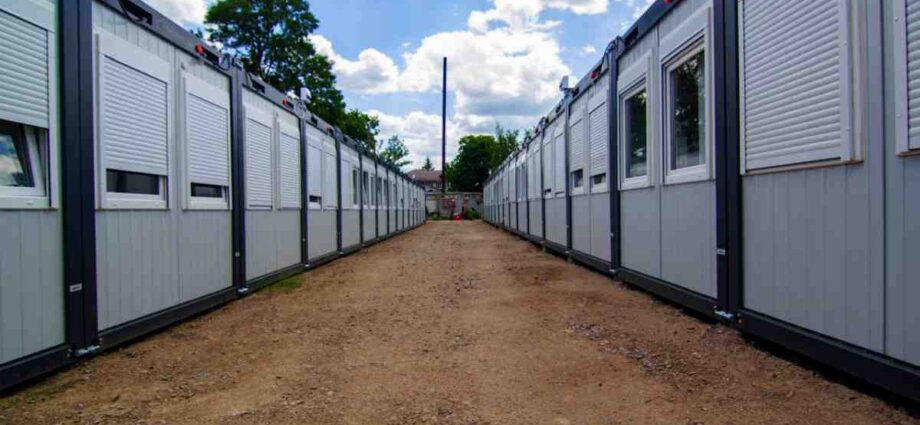
Mobile buildings offer entrepreneurs an affordable and flexible way to launch their business ventures. Whether you’re considering a food truck, retail kiosk, or professional service office, these portable structures provide unique opportunities for business owners who want to minimize overhead costs while maintaining operational flexibility.
Understanding Mobile Building Regulations
Before starting a business in a mobile building, make sure you research local zoning laws and permit requirements. It’s important to understand that most municipalities have specific regulations governing mobile commercial structures, including parking restrictions, operating hours, and location limitations.
Contact your city planning department to understand the permitting process and any required inspections. Some areas require special business licenses for mobile operations, while others may restrict certain types of businesses in mobile structures.
Selecting the Right Location
Location selection proves crucial for mobile building businesses. Consider factors such as foot traffic, accessibility, parking availability, and proximity to your target customers. Many mobile business owners negotiate agreements with property owners for regular parking spots, while others operate from different locations throughout the week. Take a look at your competition and identify underserved areas where your mobile business could thrive.
Setting Up Utilities and Infrastructure
Mobile buildings require careful planning for utilities and infrastructure needs. Electrical connections may require portable generators or hookups to existing power sources. Water and sewage systems often involve holding tanks that need regular maintenance and emptying. Internet connectivity might rely on cellular hotspots or satellite connections. Plan your utility setup based on your specific business requirements and budget constraints.
Ensuring Safety and Security
Safety considerations become paramount when operating from a mobile structure. Install proper fire extinguishers, smoke detectors, and emergency exits according to local fire codes. Security for businesses in mobile buildings requires additional planning since these structures can be more vulnerable to theft or vandalism. Consider security cameras, alarm systems, and secure storage solutions for valuable equipment and inventory.
Financial Planning and Insurance
Mobile building businesses often have lower startup costs than traditional brick-and-mortar establishments, but they still require careful financial planning. Budget for the mobile structure purchase or lease, permits, utilities, insurance, and ongoing maintenance costs. Obtain appropriate business insurance that covers mobile operations, as standard commercial policies may not provide adequate coverage for portable businesses.
Getting Started With Your Mobile Business
Successfully starting a business in a mobile building requires thorough preparation and attention to detail. Mobile building businesses offer unique advantages, including lower overhead costs, location flexibility, and reduced long-term commitments. They also present challenges, including regulatory compliance, utility management, and security concerns.
With proper planning, research, and execution, your mobile building business can provide the foundation for entrepreneurial success while offering the flexibility to adapt and grow as your venture develops.
Check out: How to Build a New Office Building