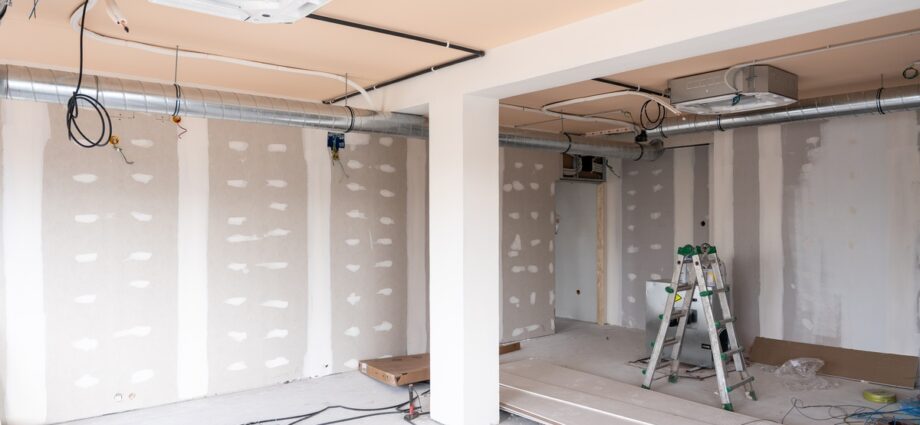
Commercial renovation projects often involve multiple teams, strict deadlines, and daily business operations that need to continue with minimal disruption. Without a clear plan, even small issues can lead to costly delays and budget overruns. Understanding how proper planning keeps commercial renovations on schedule allows property owners and managers to make informed decisions before construction begins.
Start With a Detailed Project Plan
Every successful renovation begins with a realistic roadmap. Before work starts, project leaders should establish the scope, timeline, budget, and responsibilities for everyone involved. This reduces confusion and helps contractors coordinate each phase efficiently.
A detailed plan should also account for permits, material deliveries, inspections, and potential scheduling conflicts. Building extra time into the schedule for unexpected challenges can prevent minor setbacks from becoming major delays.
Choose the Right Team Early
Hiring experienced professionals at the beginning of the project makes coordination much easier. Architects, engineers, electricians, plumbers, and drywall specialists all play important roles, and their work must be carefully scheduled. Understanding what to expect from commercial drywall contractors, for example, can help property owners better prepare for installation timelines, project coordination, and quality standards during interior construction.
Keep Communication Consistent
Regular communication keeps everyone informed about progress, schedule changes, and potential issues. Weekly meetings or project updates allow contractors to address concerns before they become larger problems. Clear communication is especially valuable when renovations take place in occupied offices, retail spaces, or healthcare facilities where minimizing disruptions is a priority.
Order Materials Before They’re Needed
Supply chain delays can significantly affect construction projects. Ordering materials well in advance helps reduce the risk of waiting on essential products. Project managers should also confirm delivery dates and have backup suppliers identified whenever possible. Proper inventory planning ensures crews can continue working without interruptions.
Monitor Progress Throughout the Project
Even the best plans require regular review. Tracking milestones allows project managers to compare actual progress with the original schedule and make adjustments when needed. Early identification of delays gives teams time to reorganize tasks, add resources where appropriate, and adjust sequencing without significantly affecting the project completion date.
Planning Leads to Better Results
Understanding how proper planning keeps commercial renovations on schedule goes beyond creating a timeline. It involves selecting qualified professionals, maintaining open communication, preparing for potential challenges, and monitoring progress from beginning to end. When these elements work together, commercial renovations are more likely to finish on time, remain within budget, and deliver spaces that meet both functional and long-term business needs.