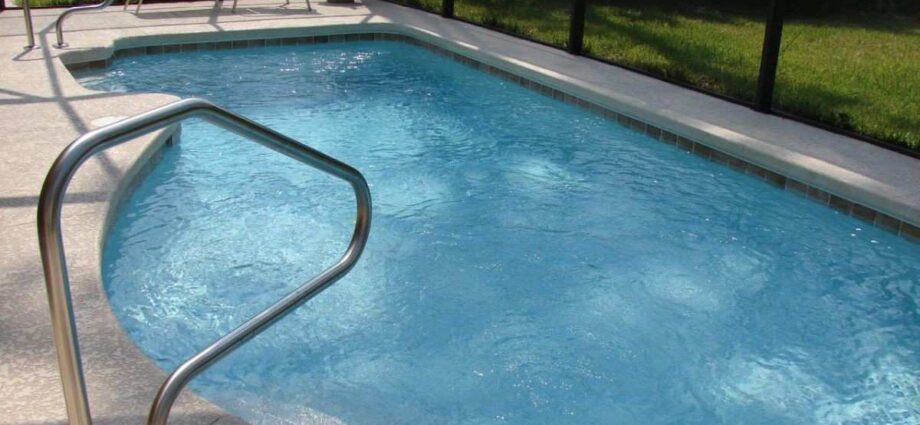
When you consider buying a pool, you may think it will instantly add fun and value to your home. However, it also comes with ongoing obligations that many homeowners underestimate.
After all, a pool is a feature that requires attention year-round. Understanding these commitments upfront helps you set realistic expectations. Read on to discover the five responsibilities you take on when buying a pool.
Ongoing Cleaning and Water Care
One of the most visible responsibilities of pool ownership is keeping the water clean and safe. Regular skimming, brushing, and vacuuming help prevent debris buildup. You also need to check chemical levels to protect swimmers. Consistent water care keeps the pool inviting and reduces the risk of larger issues developing.
Repair and Maintenance Oversight
Pools rely on multiple systems that wear over time, including pumps, filters, heaters, plumbing, and surface materials. As a pool owner, you must monitor performance and address small issues before they become expensive repairs.
It’s also important to be aware of seasonal issues. For example, knowing common winter pool problems and how to fix them can help you stay proactive with pool maintenance.
Swimmer Safety
Another responsibility you take on when buying a pool is swimmer safety. Homeowners must actively supervise children, guests, and inexperienced swimmers, especially during social gatherings.
Distractions such as conversations, phones, or alcohol can increase the risk of accidents if supervision slips. Staying present and attentive helps create a safer environment and ensures pool time remains enjoyable for everyone.
Energy and Utility Management
Operating a pool affects household energy and water usage throughout the year. Pumps, heaters, lighting, and automated cleaners all consume electricity, while evaporation and regular refilling increase water use.
Pool owners take on the responsibility of managing these costs through efficient equipment choices and thoughtful scheduling. Paying attention to energy use helps control expenses and supports long-term affordability.
Access Control
Limiting unsupervised access to the pool represents another critical responsibility for homeowners. Installing fencing, self-latching gates, locked covers, or other barriers helps protect children, pets, and visitors when the pool is not in use.
These measures reduce the risk of accidents and support safer use of the outdoor space. Managing access also helps homeowners meet local requirements and minimize liability concerns.
Owning a pool can be rewarding, but it requires ongoing involvement and informed decision-making. When homeowners understand these responsibilities, they can better protect their investment and create a safer environment.