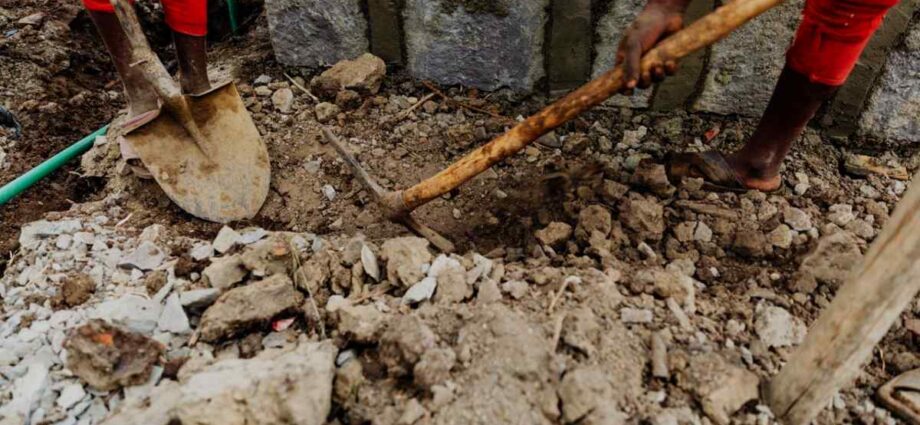
Before you start any excavation project, whether it’s for a large-scale construction job or a simple backyard renovation, one of the most critical steps is understanding what lies beneath the surface. Digging without this knowledge can cause dangerous, costly, and disruptive accidents.
If you’d like to know more about the ins and outs of utility locating, you’ve come to the right place. Below, we answer some frequently asked questions about utility locating and its importance.
1. What is utility locating, and why is it important?
Utility locating is the process of identifying and marking the position of underground public utilities. These utilities can include water and gas pipes, as well as cables for electricity, telephone, and internet services. The primary reason this process is so important is safety.
Accidentally striking a gas line can cause explosions, while hitting an electrical cable can cause electrocution and power outages. By law, in most areas, diggers must first locate utilities before striking the ground for any project.
2. How do professionals locate underground utilities?
Professionals use several techniques and special equipment to accurately locate underground lines without digging. The two most common methods are electromagnetic locating and ground penetrating radar (GPR).
In electromagnetic locating, a transmitter sends a signal through a conductive utility line, and a receiver detects it to trace the line’s path. For non-conductive utilities like plastic pipes or concrete storm drains, technicians use ground-penetrating radar. GPR sends radar pulses into the ground and analyzes the returning signals to create a map of what’s beneath the surface.
3. What should I do if excavation damages utilities
Another frequently asked question about utility locating we can answer is what to do if your project accidentally strikes a utility line. First, stop all work immediately. If you suspect a gas leak—indicated by a hissing sound or a rotten egg smell—evacuate the area right away and call 911 from a safe distance.
Do not use any electronics or start any vehicles near the site, as a spark could cause an explosion. For any other utility damage, such as water or communication lines, you should move away from the immediate area and contact the responsible utility company. You should also notify your local one-call center so they can properly document the incident.
4. How do I schedule a utility locate?
Scheduling a utility locate is straightforward. You first must understand who to call to locate underground utilities. In the United States, you can start by calling 811, the national “Call Before You Dig” number. This free service connects you to your local center, which then notifies the utility companies of your excavation plan.
This free service, however, only marks public utilities. For private utility lines, such as irrigation lines, private gas lines, and security lines, you’ll need to call a private utility locating service.
Conclusion
Understanding the utility locating process is the first step toward a safe and successful project. If you have a project that requires precise and reliable utility detection, it is always best to work with experienced professionals. Contact a certified utility locating service to ensure your site is safe to dig before you break ground.
Check out: The Contract: The Foundation of Construction Projects